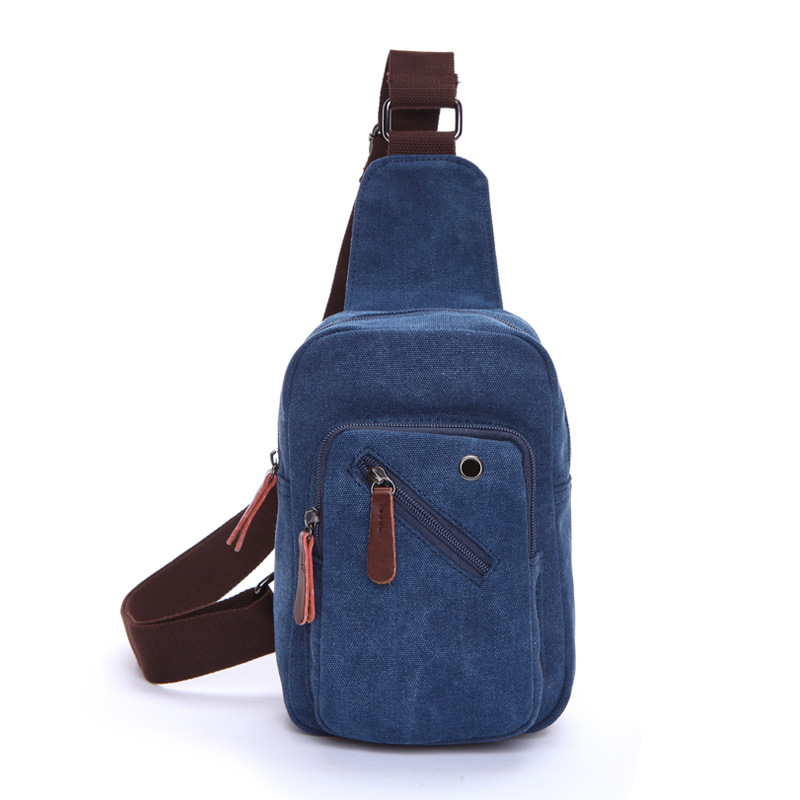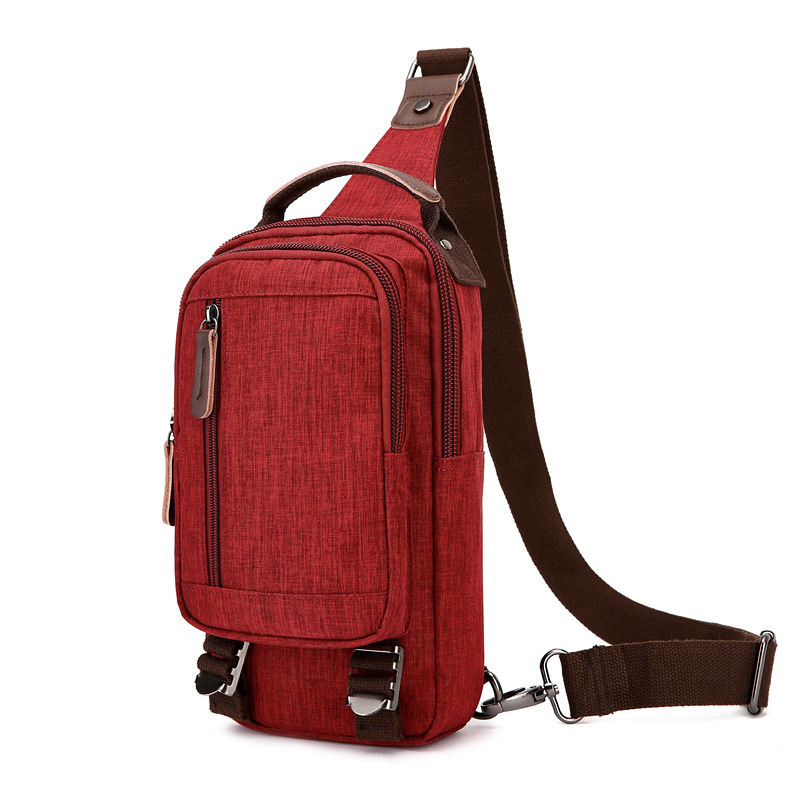
Choosing a Gym Bag That Actually Fits How People Train and Travel
A gym bag sounds simple until a buyer has to choose one for real use. One person wants a clean, compact carry for a lunch-break workout. Another needs a gym duffel bag that can handle shoes, towels, and a laptop on the way to work. A third wants a waterproof gym bag because the bag sits in a car trunk, locker room, or wet commuting conditions most of the week. The problem is not finding a bag; it is choosing the right construction, format, and materials for the way it will be used.
For sourcing managers, retail teams, and product developers, this decision is less about style than about function, durability, and user behavior. The wrong shape gets left behind. The wrong fabric leaks, sags, or stains too easily. A well-designed gym bag, by contrast, becomes the daily carry item people stop noticing—which is usually the best sign that the product is doing its job.
What Buyers Usually Mean by “Gym Bag”
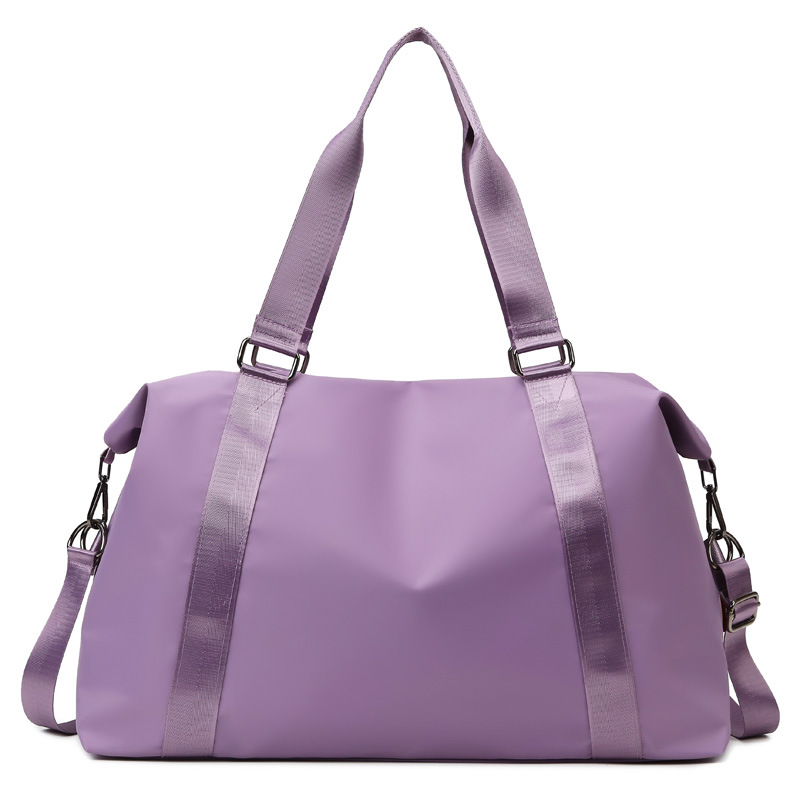
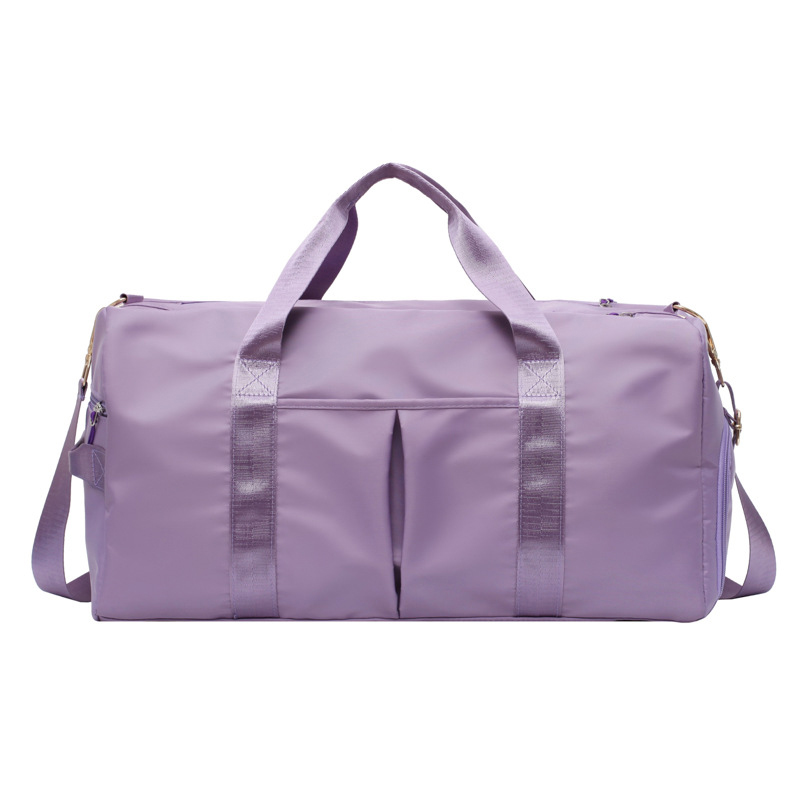
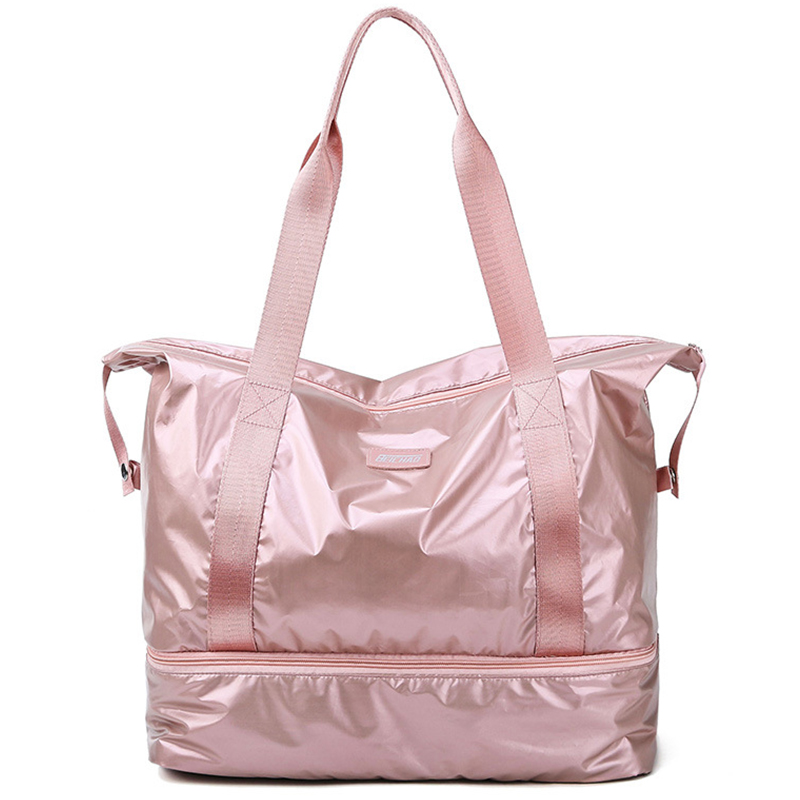
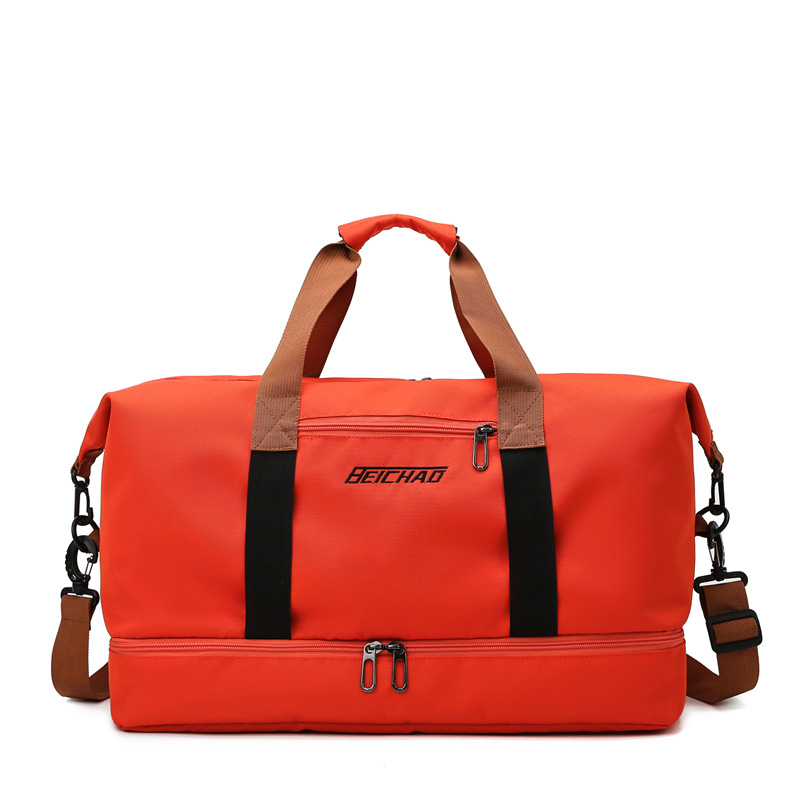
The term covers several formats, and that matters when comparing samples or building a spec sheet. A gym tote bag tends to be open, lightweight, and easy to access, which works for simple carry needs but offers less structure. A gym backpack spreads weight better and suits commuters who also carry tablets, chargers, or a change of clothes. A sports holdall is often closer to a classic duffel: wider opening, soft body, and enough volume for training gear or an overnight stay. The gym travel bag sits between daily sports use and short-trip utility, so pockets and organization become more important.
In practice, the best format depends on the customer’s route. People walking to a neighborhood fitness club do not need the same bag as people moving between office, studio, and airport. That sounds obvious, yet it is where many product lines become too generic.
Key Features That Matter in Manufacturing and Sourcing
When evaluating a gym bag, start with the features that affect daily use, not just appearance. Fabric weight and surface finish influence how the bag feels and how long it keeps its shape. Lighter fabrics may reduce cost and shipping weight, but they can also collapse when loaded with shoes or wet gear. Heavier constructions improve structure, though they can add bulk.
Closures deserve more attention than they usually get. Zippers, flap tops, drawcords, and magnetic closures each create a different user experience. For a gym duffel bag, a wide zipper opening is often the practical choice because users want fast access to shoes, towels, and bottles. For a gym tote bag, the opening may be faster, but security and spill containment are weaker. Small design decisions like internal pockets, ventilated compartments, and bottle sleeves can have an outsized effect on perceived quality.
If the bag will be used in damp conditions, a waterproof gym bag is worth considering, but buyers should be careful with terminology. “Water-resistant” and “waterproof” are not the same thing, and many products sit somewhere in between. Sealed seams, coated fabrics, and lined interiors all change performance. It is worth asking whether the bag is meant to resist drizzle, protect wet towels, or keep electronics dry. Those are different requirements.
Materials: Where Cost, Durability, and Feel Intersect
Common outer materials for a gym bag include polyester, nylon, canvas, and synthetic blends. Polyester is often used for broad price coverage and stable color performance. Nylon is valued for strength-to-weight performance and a smoother hand feel. Canvas can support a more casual, lifestyle-oriented look, though it may need additional treatment if moisture resistance is important.
Lining and reinforcement are just as important as the shell. A soft outer fabric with a weak lining can deform quickly once the customer loads shoes, toiletries, or a water bottle. Reinforced base panels help the bag stand upright and reduce abrasion on floors and benches. That is a small feature with a large effect on long-term satisfaction.
Selection Criteria for Different User Types
For commuters
A gym backpack is often the most efficient choice because it keeps hands free and balances weight. Multiple compartments help separate work items from training gear, which matters more than many buyers first assume.
For short training sessions
A smaller gym tote bag or compact sports holdall can be enough. These users tend to value easy access over complex organization.
For hybrid work-travel use
A gym travel bag needs better structure, stronger handles, and enough internal organization to avoid the “everything in one dark pocket” problem. It should carry like a travel item but still behave like a sports bag.
For wet or humid conditions
Look closely at moisture resistance, wipe-clean surfaces, and ventilation. A waterproof gym bag can be useful, but buyers should still check zipper quality and seam construction. Water management is only as strong as the weakest detail.
Common Mistakes Buyers Make
One frequent mistake is over-specifying volume while ignoring shape. Two bags can claim similar capacity and still feel entirely different in use. Another is choosing a trendy silhouette that looks good in a catalog but becomes awkward when loaded with shoes and a towel. A third is skipping pocket planning. Users will forgive modest material choices more readily than they forgive poor organization.
Another practical caution: if the product is meant for branded retail or corporate programs, decoration zones should be considered early. A crowded panel with seams, zippers, and contrast piping may limit logo placement. That becomes a production headache later, not a design triumph.
What a Good Buyer Brief Should Include
Before requesting samples, define the target user, carry method, and environment. State whether the bag is for daily workouts, mixed commuting, travel, or team sports. Note if the customer needs a gym duffel bag, gym backpack, gym tote bag, or a more flexible sports holdall format. Specify whether wet items must be isolated, whether shoes need a separate compartment, and whether the bag must stand upright.
That brief helps suppliers propose a realistic construction instead of a generic one-size-fits-all model. It also reduces the back-and-forth that often delays development.
FAQ: Quick Answers Buyers Usually Need
Is a backpack better than a duffel? Not always. A gym backpack is better for commuting comfort, while a duffel often wins on access and packing speed.
Do buyers really need waterproof material? Only if the bag will see wet conditions or needs to protect electronics and dry clothes. Otherwise, water-resistant may be enough.
What feature gets overlooked most? Internal organization, especially for shoes, toiletries, and damp clothing.
Next Step for Product and Sourcing Teams
If you are comparing gym bag options for retail, private label, or promotional programs, start by matching the format to the user’s routine rather than to a trend board. Then work outward from material, moisture resistance, and pocket layout. The right model is rarely the flashiest one. It is the one that fits the real path from home to gym and back again, without forcing the user to think about it twice.