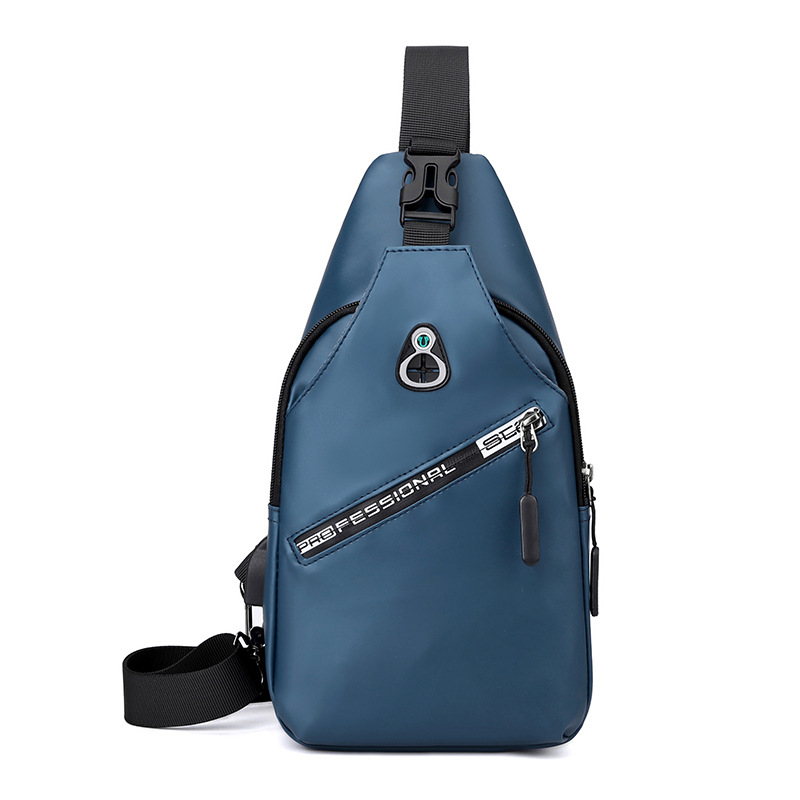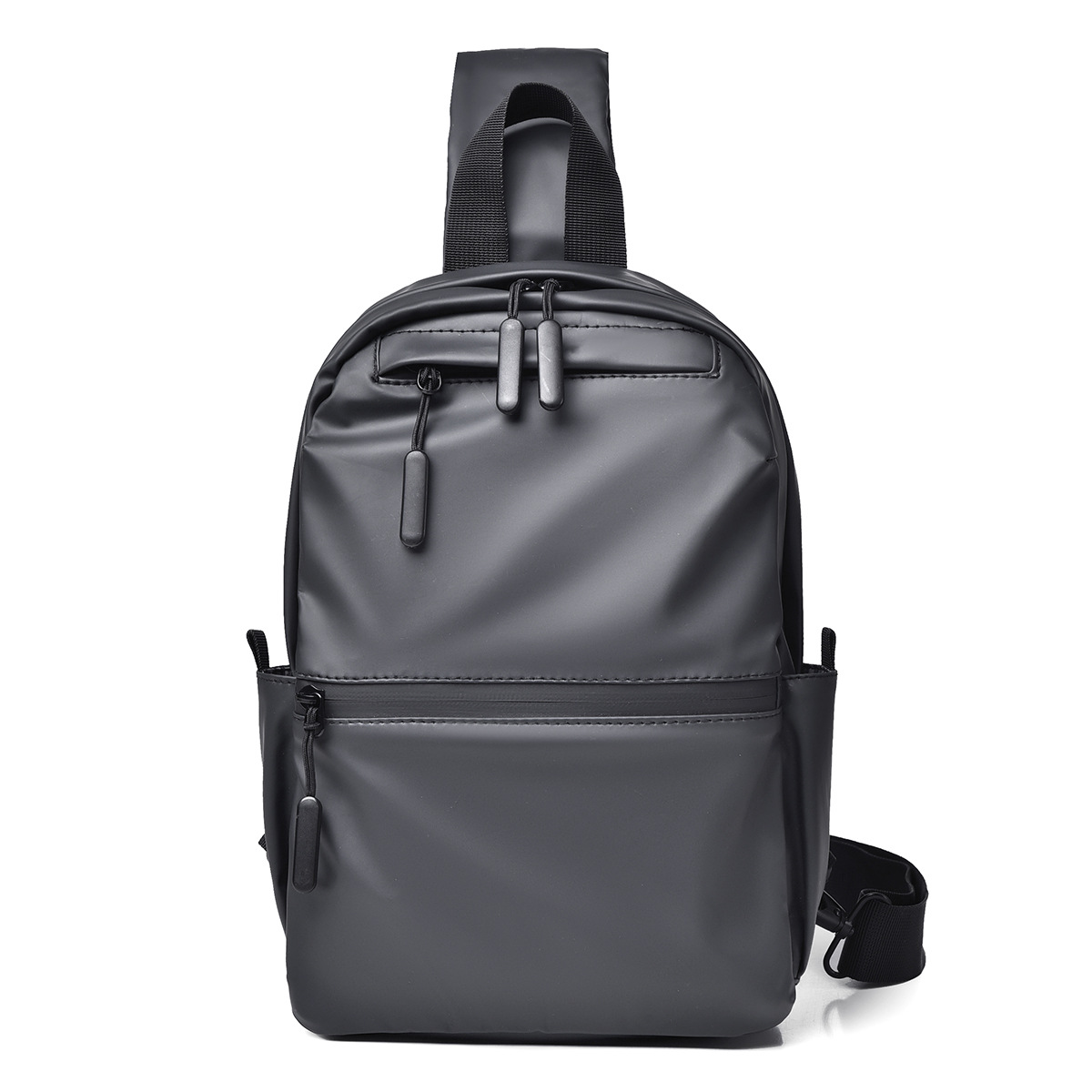
Sling Bag Buying Guide: What Matters When You’re Choosing One for Daily Use, Travel, or Retail Stock
A sling bag looks simple at first glance, but sourcing the right one is usually a more practical decision than it appears. Buyers are often balancing comfort, storage, durability, and style in a very small product footprint. The wrong choice can mean a bag that twists awkwardly on the body, wears out too fast, or disappoints end users who expected something more secure for commuting and travel. For brands and retailers, a well-made sling bag can fill that gap between a full backpack and a pocket-heavy tote without adding bulk.
This matters because the category now spans everything from a crossbody sling bag for city errands to a compact sling backpack for short trips. The shape may be small, but the use case is not. A buyer needs to decide which end of the market they are serving: fashion-driven casual carry, functional day use, or travel-oriented storage with better anti-theft features and weather resistance.
Quick takeaway: what separates a good sling bag from an average one
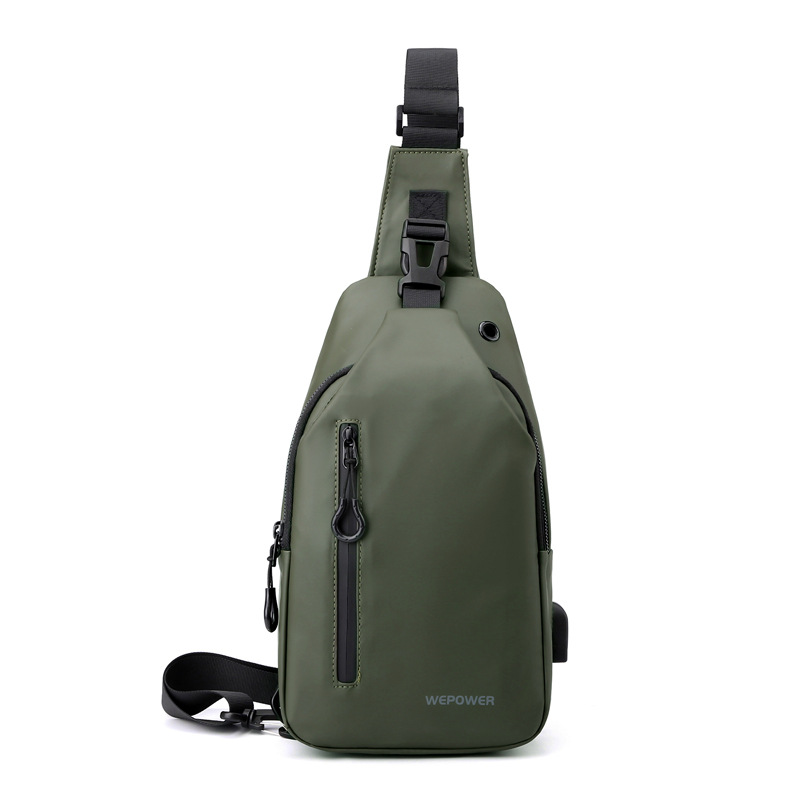
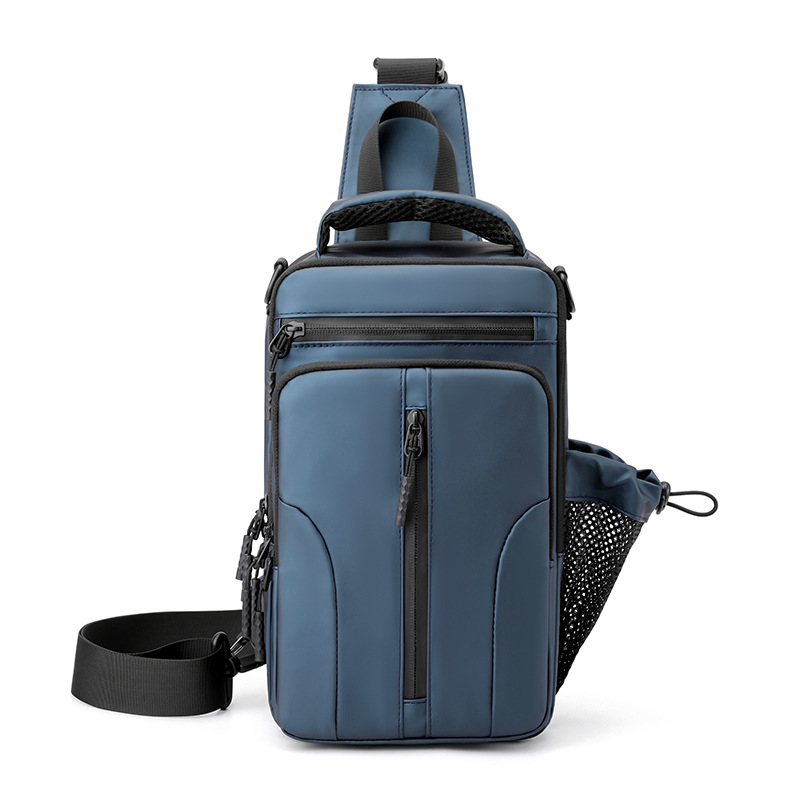
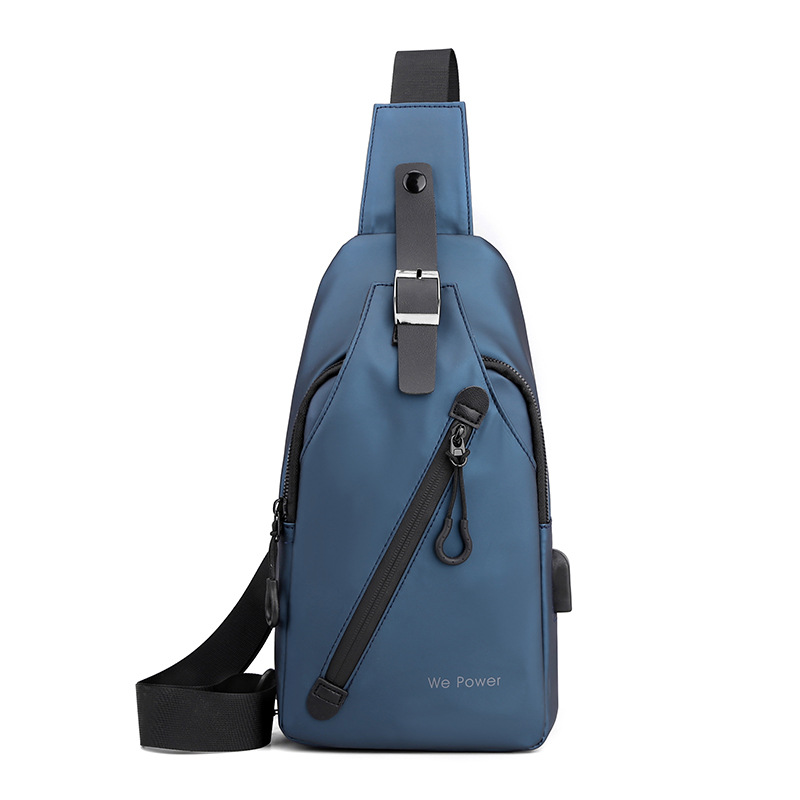
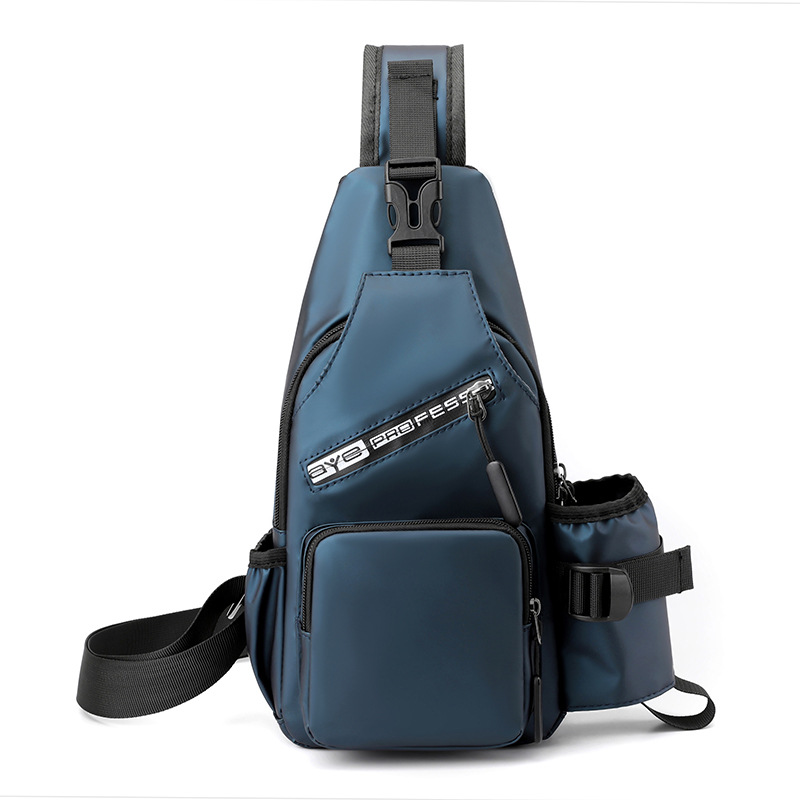
The best models are not necessarily the largest. They carry what users actually need, sit comfortably against the body, and keep essential items easy to reach. In practice, that usually means the right strap geometry, sensible pocket placement, and a material package that matches the target market. A travel sling bag should feel different from a women's sling bag sold mainly for everyday styling, and both should be distinct from a men's sling bag designed for commuting or light outdoor use.
Where sling bags fit in the market
Sling bags have become a steady middle category. They are smaller and more agile than backpacks, but more useful than a basic pouch. For consumers, that makes them attractive for walking, cycling, airport movement, and short urban trips. For buyers, it means there is room to segment the line carefully.
Common product directions
A travel sling bag typically emphasizes quick access and secure storage for passport, phone, charger, and wallet. An anti-theft sling bag may add hidden zippers, close-fitting wear, or lockable compartments, though the real value is usually in design discipline rather than gimmicks. A waterproof sling bag, meanwhile, should be treated carefully in sourcing discussions: many products are water-resistant rather than fully waterproof, and that distinction should be clear in marketing and product copy.
Selection criteria buyers should not overlook
Comfort starts with the strap. If the strap is too narrow, users feel the load quickly. If it does not adjust smoothly, the bag becomes annoying before it becomes useful. Stitch quality at the strap joins matters more than flashy styling, because that is where stress concentrates. For a compact sling backpack, the load may be small, but repeated daily use still punishes weak construction.
Organization is the second issue. Too few pockets and the bag becomes a dumping ground. Too many pockets and the interior turns fussy, which some end users dislike. Most buyers do best by asking what the bag should hold, then designing the pocket layout around those objects rather than around an abstract feature list.
Material choice should follow channel and price position. Lightweight synthetic fabrics are common for casual models because they reduce cost and keep the bag easy to carry. Denser woven shells, coated fabrics, and reinforced linings may suit a more premium or travel-focused product. Hardware should be matched to the overall build, because even a good fabric package feels cheap if zippers, pullers, and buckles are weak.
Practical cautions that save money later
One common mistake is over-designing a small bag. Buyers sometimes ask for too many compartments, complicated access points, or decorative features that add sewing time without improving usability. Another is underestimating body fit. A sling bag that photographs well on a flat surface may sit poorly once worn, especially if the strap angle and bag depth are not considered together.
Retailers should also be careful with claims. Anti-theft features can be useful, but they should be described precisely. The same goes for water protection. If a product can handle light rain, say that; if it is meant for travel and daily carry, avoid suggesting performance that has not been validated.
What sourcing teams should ask before placing an order
Before committing to a style, ask how the sling bag will be used most often, what the expected carry load is, and whether the design must lean more fashion or function. Then review the closure system, strap adjustment range, pocket depth, and the expected wear points. If the product is intended as a travel sling bag, check whether the opening can be accessed quickly without exposing the contents too much. If it is for everyday retail, comfort and visual balance may matter more than security-heavy features.
It also helps to think in terms of end-user behavior. A commuter will wear the bag differently from a tourist, and a tourist will use it differently from someone buying it as a style accessory. That sounds obvious, but a surprising number of product problems come from skipping this step.
FAQ: common buyer questions
Is a sling bag the same as a crossbody bag?
Not exactly. The terms overlap, but a crossbody sling bag usually implies a more compact, body-hugging shape with single-strap wear and easier front access. In the market, however, brands sometimes use the terms loosely.
What size works best?
There is no universal answer. The right size depends on whether the bag is meant for essentials only or for short-day carry. Bigger is not always better; oversized sling bags can lose the clean profile that makes the format attractive in the first place.
Should buyers prioritize style or function?
That depends on the sales channel. Fashion retail may lean toward silhouette and color story. Travel and commuter channels usually need more function. The strongest products tend to do both, but not by overloading the design.
Next step for product teams and sourcing managers
When evaluating a sling bag program, start with use case, then narrow by construction, material, and feature set. A clear brief will save more time than a long feature list. If you are building a line for retail, ask for samples that reflect the exact target market rather than a generic “all-purpose” version. Small differences in strap feel, pocket layout, and closure hardware often decide whether the product sells well or sits in inventory.
If you are planning a new assortment, the smartest move is usually to define one primary user first, then let the design follow from there. That is the difference between a bag that looks interesting and one people actually carry every day.