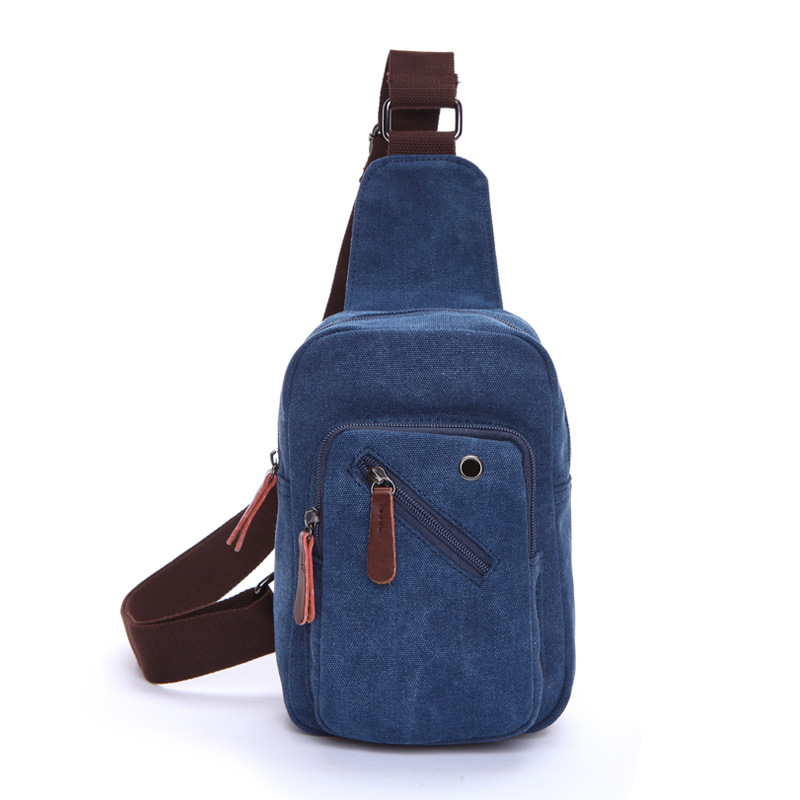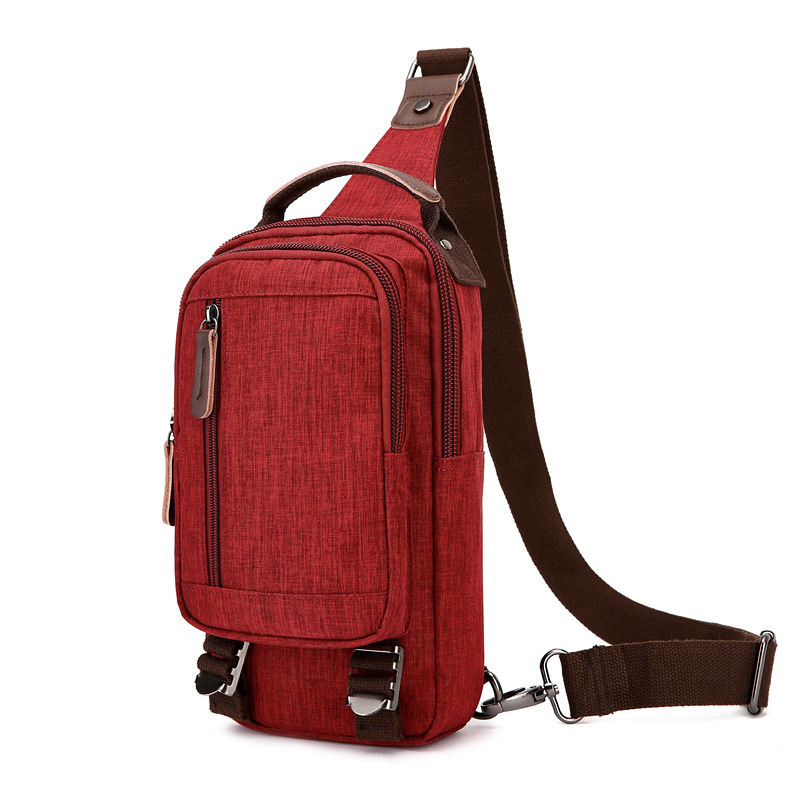
What Buyers Really Need to Know About a Crossbody Bag
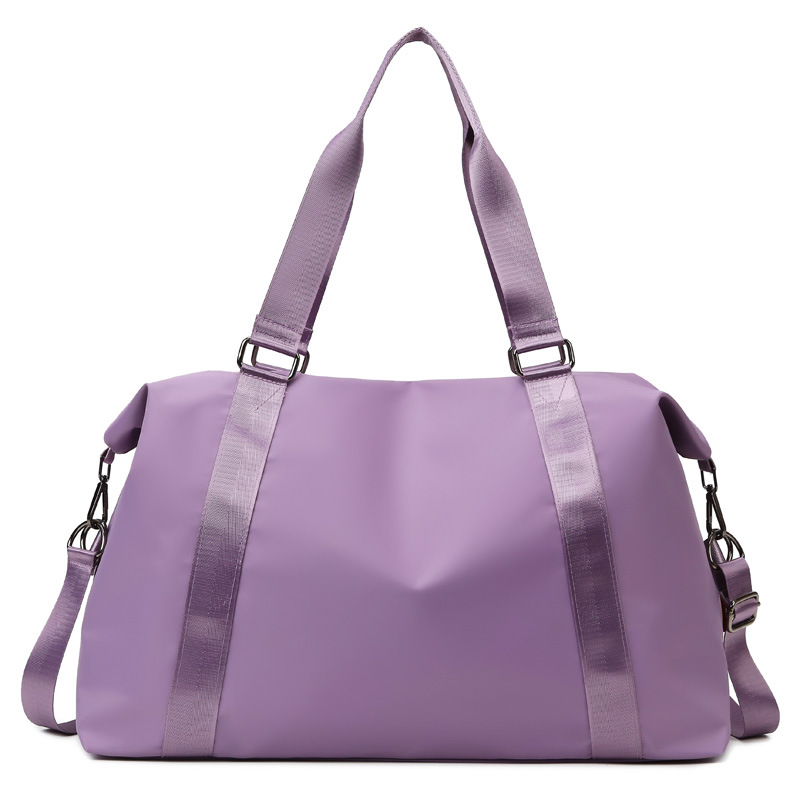
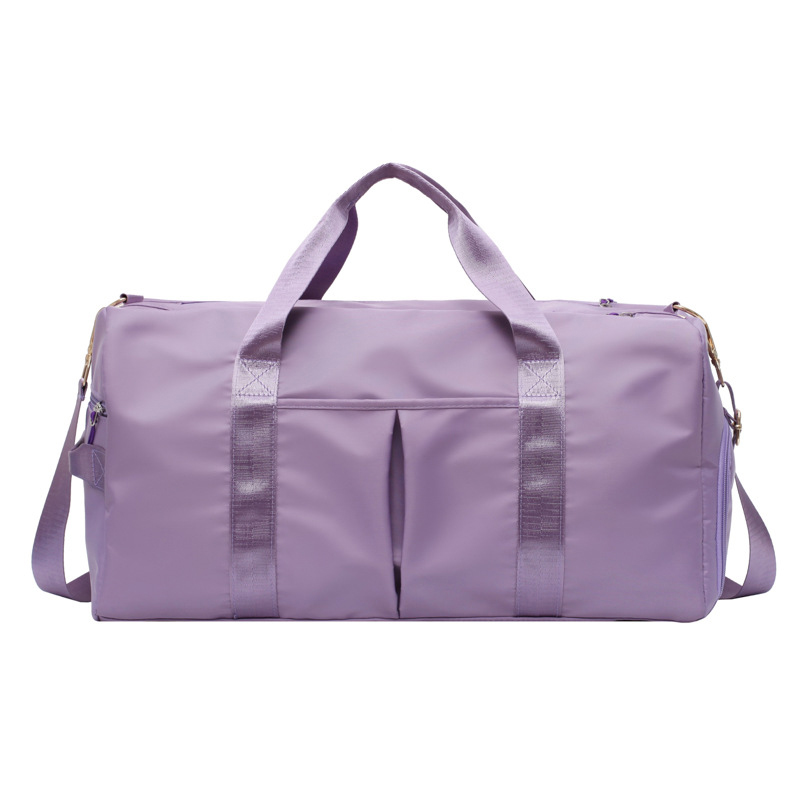
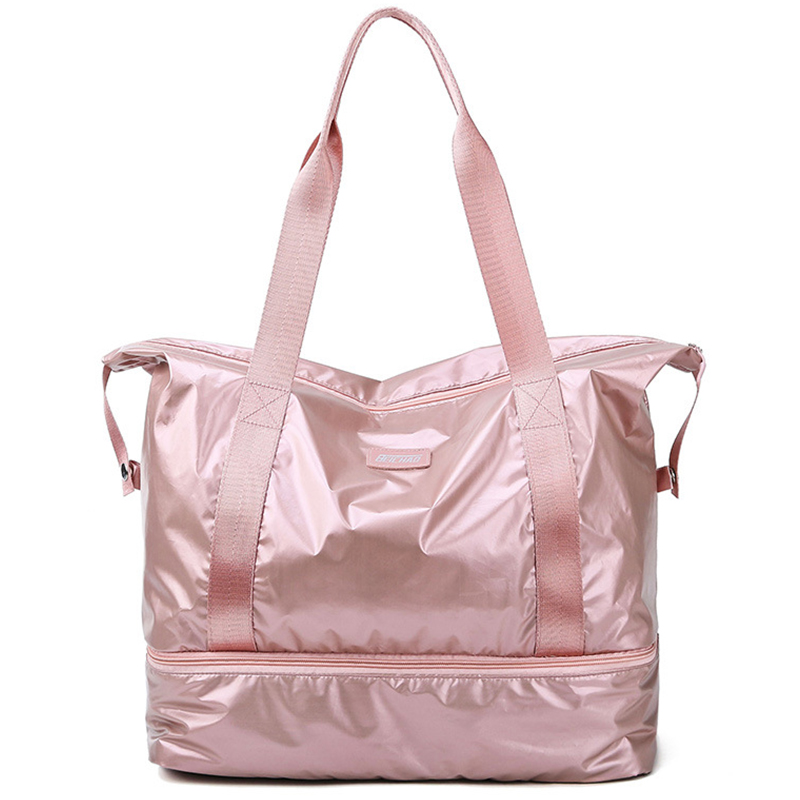
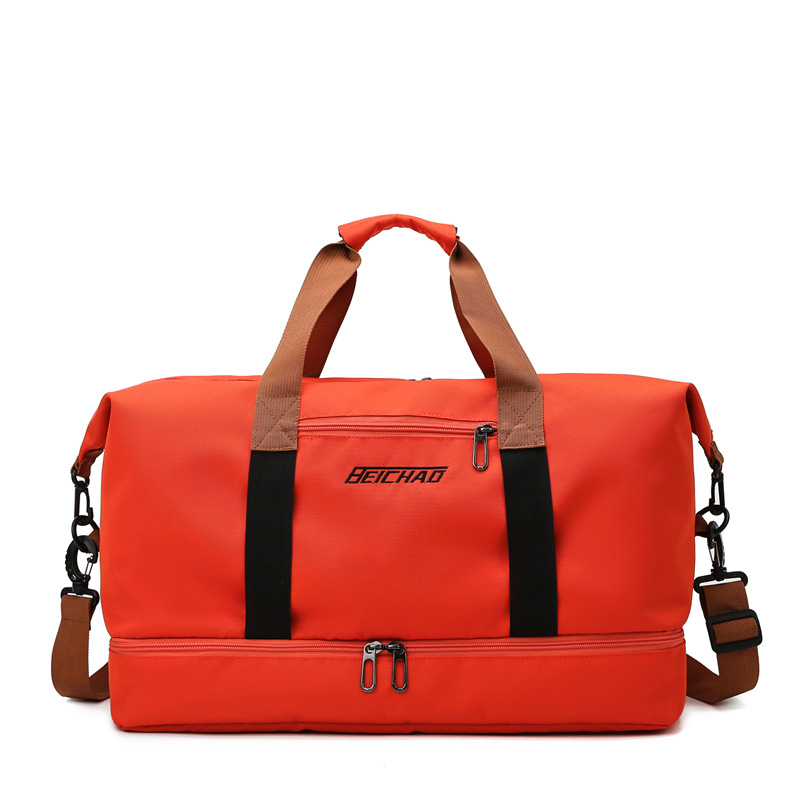
A crossbody bag sits in an awkwardly useful category: small enough to stay out of the way, but large enough to carry the things people actually reach for during a workday, commute, or travel day. That is why sourcing a crossbody bag is not just a style decision. It is a decision about capacity, comfort, access, and how the bag will hold up after repeated use. For retailers, brands, and product teams, the challenge is usually the same: which version fits the customer’s routine without adding bulk or looking too casual for the intended market?
The answer depends on more than appearance. Strap geometry, pocket layout, closure type, material choice, and overall structure all affect whether a bag feels like a practical companion or a compromise. A well-designed model can work as a crossbody bag for women, a crossbody bag for men, or a unisex option, but the sizing and styling have to match the use case. Buyers who skip that step often end up with inventory that looks attractive on a product page and underperforms in the real world.
Why This Category Keeps Growing
Crossbody bags remain popular because they solve a basic mobility problem. They distribute weight across the torso, keep hands free, and reduce the constant need to set a bag down. That matters in airports, city transit, trade shows, retail floors, and daily commuting. Consumers also want something smaller than a backpack but more organized than a pocket pouch.
There is another reason the category stays relevant: it adapts. A small crossbody bag can serve as a minimalist carry item for essentials only. A large crossbody bag can move into hybrid territory, closer to a day bag for tablets, notebooks, or travel accessories. Product teams should treat this as a range rather than a single style. The wrong capacity band is a common source of returns.
Quick Comparison: Small, Large, and Material Choices
Small crossbody bag
This version is usually the safest choice for lightweight daily carry. It is useful when the buyer wants phone, wallet, keys, and a few extras, not a full personal-item load. The tradeoff is obvious: once the internal space becomes too tight, users start overfilling the bag and stressing seams, zippers, and strap anchors.
Large crossbody bag
A larger format offers more utility, but it can drift toward shoulder-bag territory if the proportions are off. The strap should still stabilize the bag against the body. If it swings excessively, the user experience drops quickly, especially in crowded settings.
crossbody bag leather
Leather appeals to buyers who want a more refined look and a material that tends to age visibly over time. It can also raise the perceived value of the product. That said, leather brings its own expectations: edge finishing, panel symmetry, hardware quality, and consistent surface appearance matter more because the material does not hide flaws as easily as some textiles. For some applications, faux leather or coated alternatives may make more practical sense, depending on target price and durability goals.
Selection Criteria That Actually Matter
When evaluating a crossbody bag, start with the carry scenario. Is this for commuting, travel, retail work, casual use, or fashion-led merchandising? Each setting asks for a different balance of size and access. A commuter may prefer quick-access exterior pockets. A traveler may care more about secure closures and internal organization. A style-focused buyer may prioritize silhouette and material hand-feel first.
Then look at the strap. Width, adjustability, and attachment points influence comfort more than many buyers expect. A narrow strap may look sleek, but it can become tiring on longer wear. Hardware should be chosen with the same caution. Poorly matched buckles or clips can undermine the entire product, even if the rest of the construction is sound.
Organization is another quiet decision point. Too many compartments can make a bag feel cluttered. Too few can make it useless. The best layout depends on the customer profile. For example, a crossbody bag for men may lean toward clean lines and straightforward storage, while a crossbody bag for women in a fashion assortment may need a different visual balance, sometimes with more attention to proportion and finish. Those are not fixed rules, just common buying patterns.
Common Mistakes Buyers Still Make
The biggest mistake is treating capacity as the only metric. A bag can be technically large enough and still fail because the opening is awkward, the strap slips, or the interior structure collapses when loaded. Another frequent issue is overdesigning the product with features the customer will not use. Extra pockets and special closures look impressive in a spec sheet, but they do not necessarily improve sell-through.
Material mismatch is another trap. If the target market wants a crossbody bag leather look but the construction quality is inconsistent, the product may feel cheap rather than premium. On the other hand, a rugged nylon-style build can be the right choice for utility-focused users, even if it lacks fashion gloss. The point is to match material behavior to the buying audience, not to force one style into every channel.
Practical Buyer Advice
Ask for samples that reflect real use, not just showroom presentation. Load the bag, wear it for an hour, and check how the strap sits against the body. Open and close the main compartment repeatedly. Test whether the bag stays balanced when only partially filled, because that is how many consumers actually carry it.
If you are building an assortment, consider offering both a small crossbody bag and a larger option rather than trying to make one style do everything. That approach gives customers a clearer choice and reduces the pressure on one SKU to satisfy every need. It is a simple merchandising move, but it often works better than forcing a single “universal” format.
FAQ
Is a crossbody bag only a fashion item?
No. It can be a functional carry solution first and a style item second, depending on the design.
What matters most for everyday use?
Comfort, access, and reliable closure usually matter more than decorative details.
How should buyers choose between sizes?
Start with what the customer carries every day, then choose the smallest size that still fits that load without strain.
Next Step for Product Teams and Sourcing Buyers
If you are reviewing a crossbody bag program, begin with the use case, then narrow the material, size, and strap requirements around that scenario. That order keeps the product aligned with real buying behavior and makes sourcing conversations far more efficient. A bag that is comfortable, proportionate, and built for the right customer will usually outperform a more stylish design that misses the practical details.