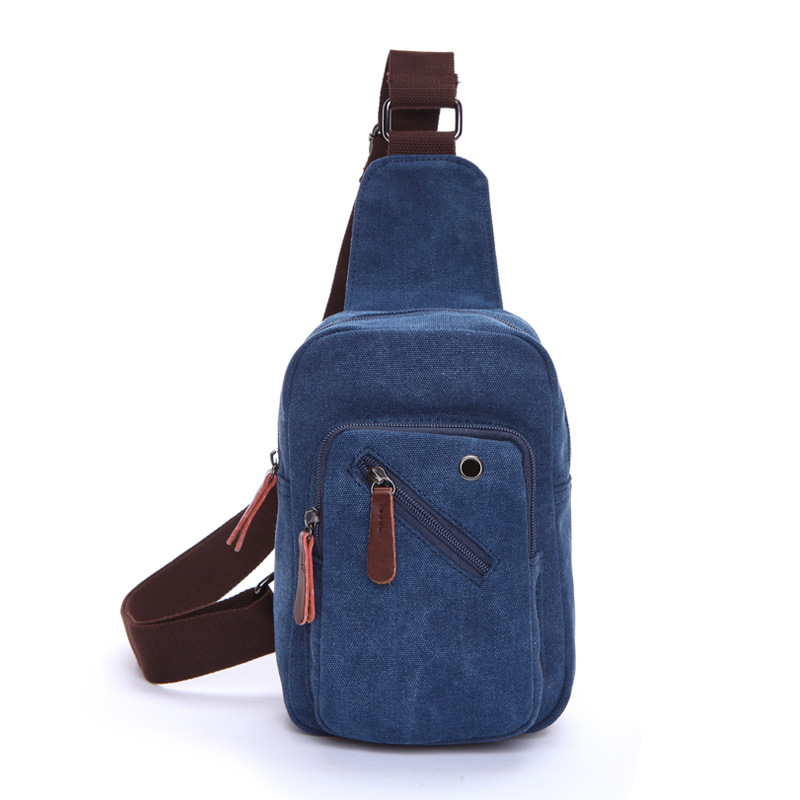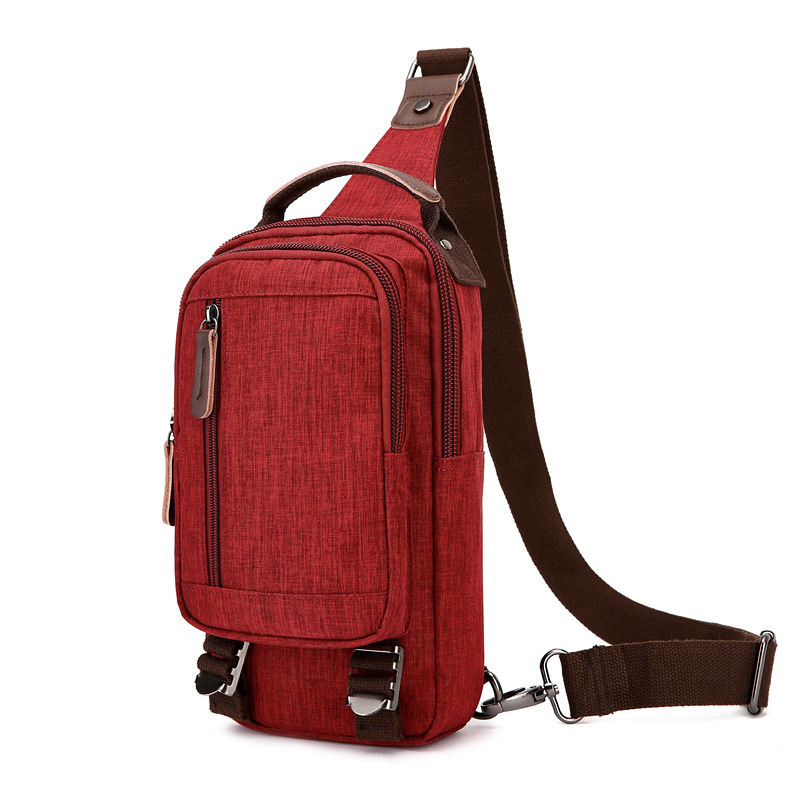
Why the crossbody bag keeps winning in everyday use
A crossbody bag looks simple, but the format solves a real problem: keeping essentials close without tying up one hand or loading a pocket until it bulges. For buyers, that makes the category less about fashion alone and more about daily utility, whether the user is commuting, traveling, working on the move, or just trying to carry a phone, keys, wallet, and charger in a way that feels secure.
That is why sourcing teams and product planners keep revisiting the category. The question is not whether people want a crossbody bag; they do. The harder decision is which size, construction, and wearing style will fit the intended customer and channel. A design that works for a weekend shopper may be frustrating for a commuter, and a compact silhouette that photographs well can be the wrong answer for someone who carries a battery pack and glasses case every day.
What buyers are really comparing
When people shop this category, they usually compare capacity, comfort, and how easily the bag sits against the body. A crossbody bag women often emphasizes lighter carry, cleaner styling, and internal organization for smaller items. A crossbody bag men may lean more utilitarian, with darker finishes, tougher fabrics, and simpler pockets. Those are broad tendencies, not rules, but they do shape product expectations at retail.
Size matters just as much. A crossbody bag small can be perfect for essentials-only carry, but it can also disappoint if the strap hardware is bulky or the opening is awkward. A crossbody bag medium is often the practical middle ground for daily use, while a crossbody bag large can solve travel or work carry needs, provided the weight does not become a burden after an hour. That tradeoff is easy to underestimate in a sample room and hard to forgive in the field.
Choosing the right size for the job
Small formats
Small designs work best when the customer wants low-profile carry. They are popular for errands, events, and quick trips. The buyer should check whether the interior still allows organized storage, or whether the product becomes a single cavity where everything rattles together. That is a common complaint, and it shows up quickly in reviews.
Medium formats
Medium is often the safest commercial choice. It gives enough room for a phone, wallet, small cosmetics pouch, sunglasses, and daily extras without turning the silhouette into a tote with a strap. For many brands, this is the easiest size to merchandise across age groups because it does not overpromise.
Large formats
Larger carry is useful for commuters, travelers, and anyone who wants a crossbody bag to replace a small backpack for part of the day. The caution here is weight distribution. If the strap is narrow, the bag feels heavier than the same load in a better-built competitor. Hardware, stitching, and strap width matter more as volume increases.
Materials and construction details that affect daily use
Even without turning this into a materials lecture, a few practical points matter. Outer fabric changes both look and durability. Smooth synthetics clean easily but may show wear differently than textured fabrics. Zippers should run cleanly and not snag at the corners. Strap adjustability should be generous enough for different body types and wearing preferences. If the bag is intended for a broad market, one strap setting rarely fits everyone well.
Interior organization is another quiet differentiator. A single slip pocket may be enough for some customers, but the market often rewards small design choices: a secure zip pocket, a dedicated phone sleeve, or a key clip. These details do not add much drama on a spec sheet, yet they often decide whether a product feels thoughtful or generic.
Common mistakes in product selection
The first mistake is choosing by appearance alone. A crossbody bag can look balanced in a photo and still carry poorly because the strap anchor points are wrong. The second is ignoring the target user’s daily load. Buyers sometimes underestimate how many people now carry a power bank, earbuds, and a small bottle in addition to the usual essentials. The third is overbuilding. Heavy materials and oversized hardware can make a compact bag feel clumsy, especially in smaller formats.
Another quiet issue is accessibility. If the opening is too narrow or the zipper path is too stiff, the bag becomes annoying in real use. That kind of problem may not show up in a short review session, but it will show up after a week of commuting. In this category, convenience is part of the product, not an optional extra.
Practical buyer advice
If you are sourcing or specifying a crossbody bag, start with the use case, not the aesthetic theme. Ask whether the product is meant for travel, everyday urban carry, outdoor errands, or fashion-led retail. Then match the size to that use. For many assortments, offering a small, medium, and large option makes sense only if each size solves a different problem. Otherwise, the line just duplicates itself.
It also helps to evaluate the bag worn on body, not just on a table. Strap comfort, balance, and how the bag swings during movement are easier to judge in use than in a product photo. That is a small testing step, but it saves a lot of disappointment later.
FAQ
Is a crossbody bag better than a shoulder bag?
For hands-free use and better weight distribution across the torso, usually yes. For quick access and a more formal look, a shoulder bag may still make sense.
Which size sells best?
Medium often has the broadest appeal because it balances carry capacity and everyday comfort. Still, the right answer depends on the customer segment and price point.
What should buyers check first?
Start with strap comfort, zipper quality, interior layout, and whether the bag’s actual capacity matches the intended use. Those basics matter more than decorative details.
A sensible next step for sourcing teams
If you are planning a new assortment or reviewing current samples, compare the bag as a system: size, strap, opening, pocket layout, and intended user. That approach is more reliable than judging one sample by appearance alone. A good crossbody bag should disappear into the day in the best possible way—it carries what it needs to carry, stays comfortable, and does not ask for attention every ten minutes.