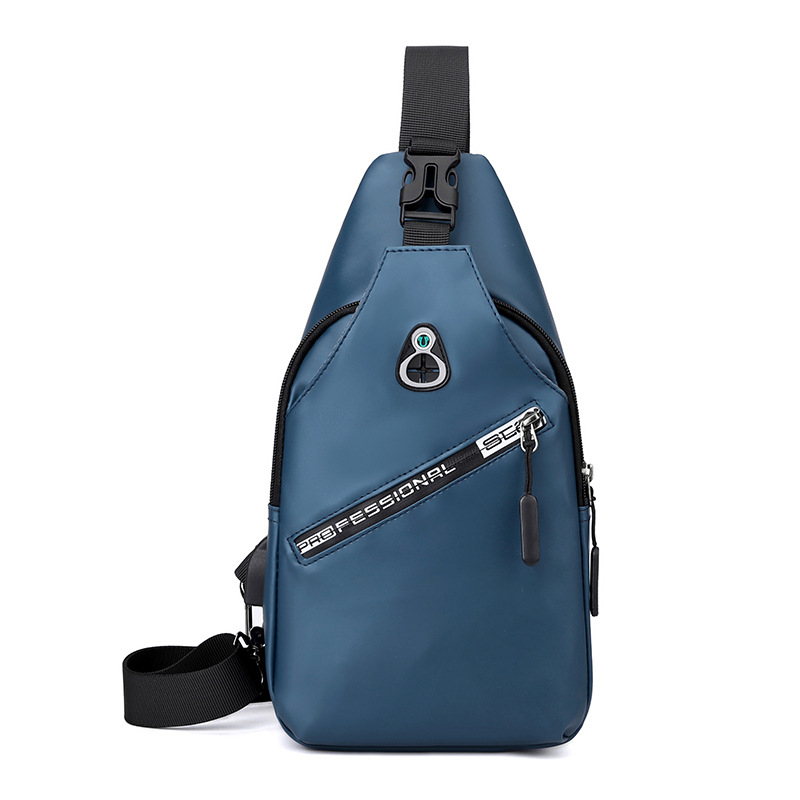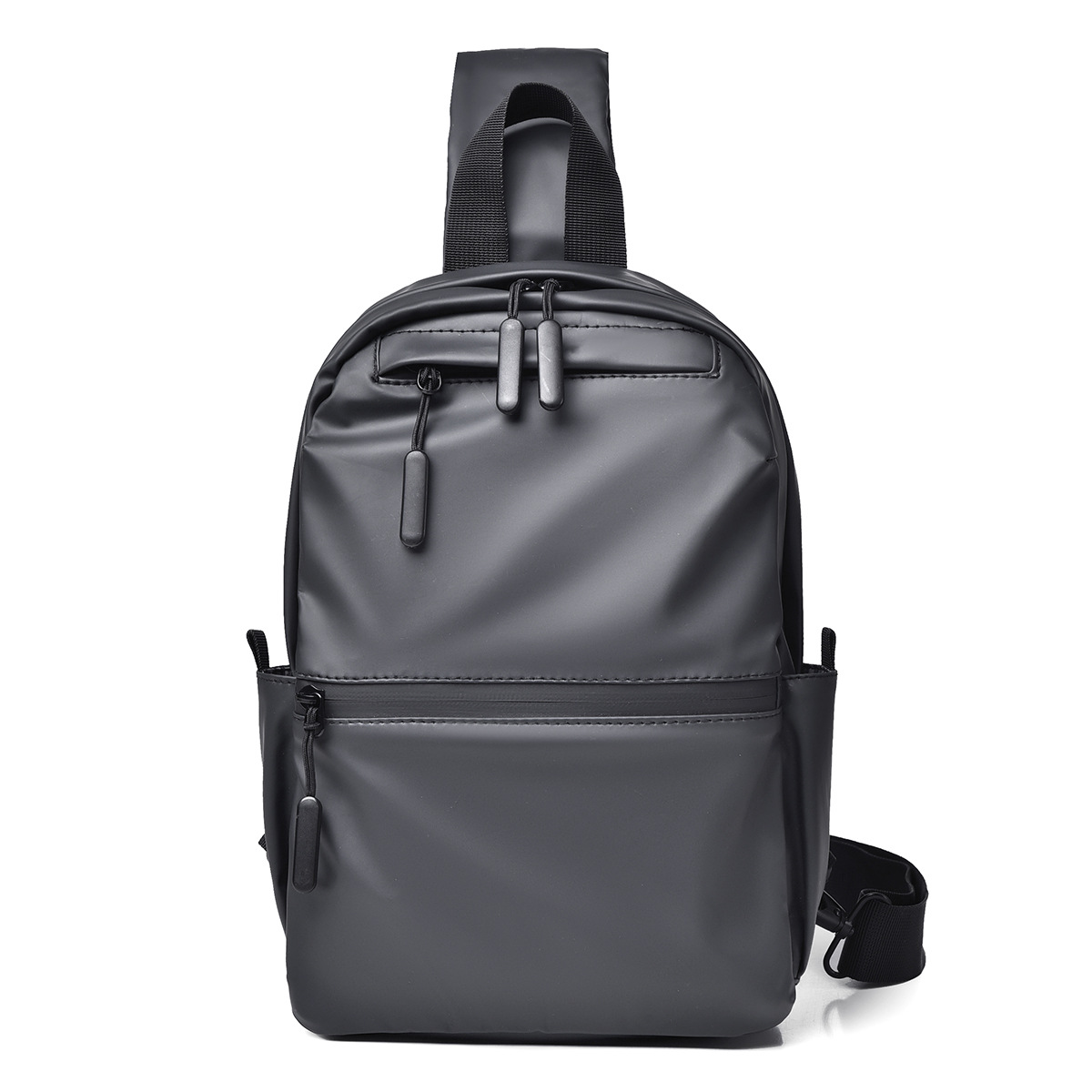
Sling Bag Buying Guide: What Matters for Retailers, Brands, and Product Teams
A sling bag looks simple at first glance, but the category has grown into a practical middle ground between a backpack and a handbag. For buyers, that matters. The right sling bag can solve a very specific carrying problem: enough room for daily essentials, a shape that sits close to the body, and a style that works for commuting, travel, or light outdoor use. The wrong one, however, becomes a fast return item. Strap comfort, pocket layout, material choice, and security features all change how the bag performs in real use.
If you are sourcing or developing a sling bag range, the real decision is not just style. It is which user occasion the product must serve, how much structure it needs, and where the market will accept trade-offs. That is where most product failures start, usually with a design that looks good on a flat table but feels awkward after an hour on the shoulder.
What a Sling Bag Is Best For
The category sits in a useful middle position. A crossbody sling bag is typically worn across the chest or back, with one strap and quick access to contents. Compared with a backpack, it is faster to swing forward and open. Compared with a tote or messenger bag, it often stays more compact and feels more controlled in crowded spaces.
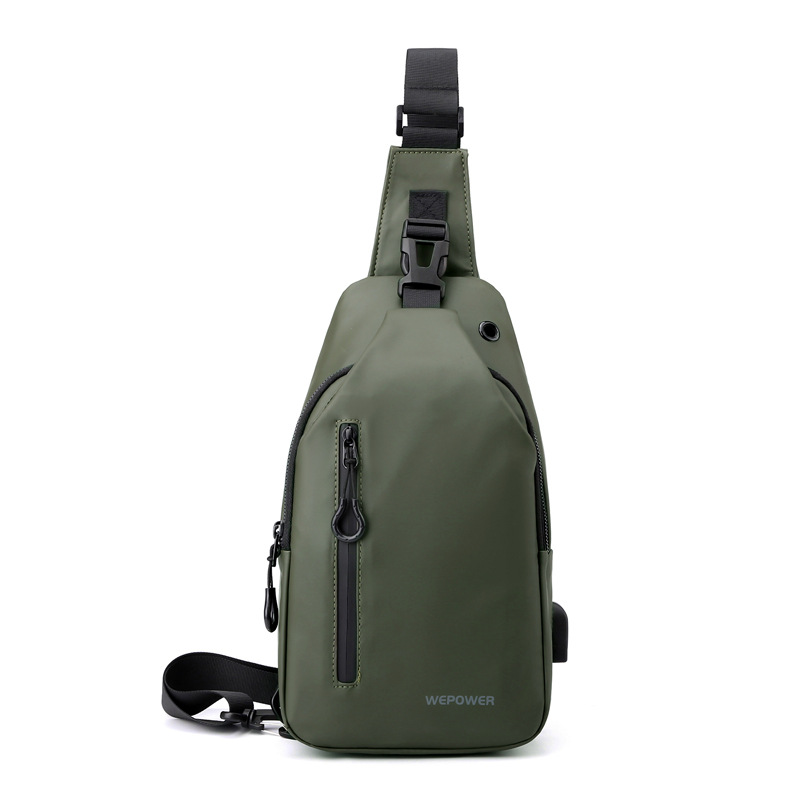
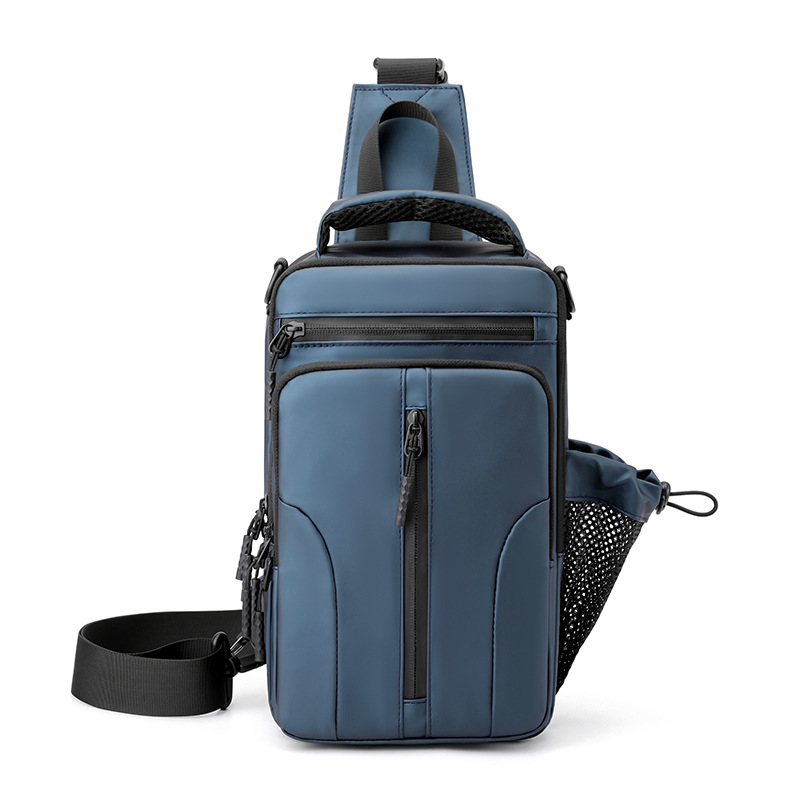
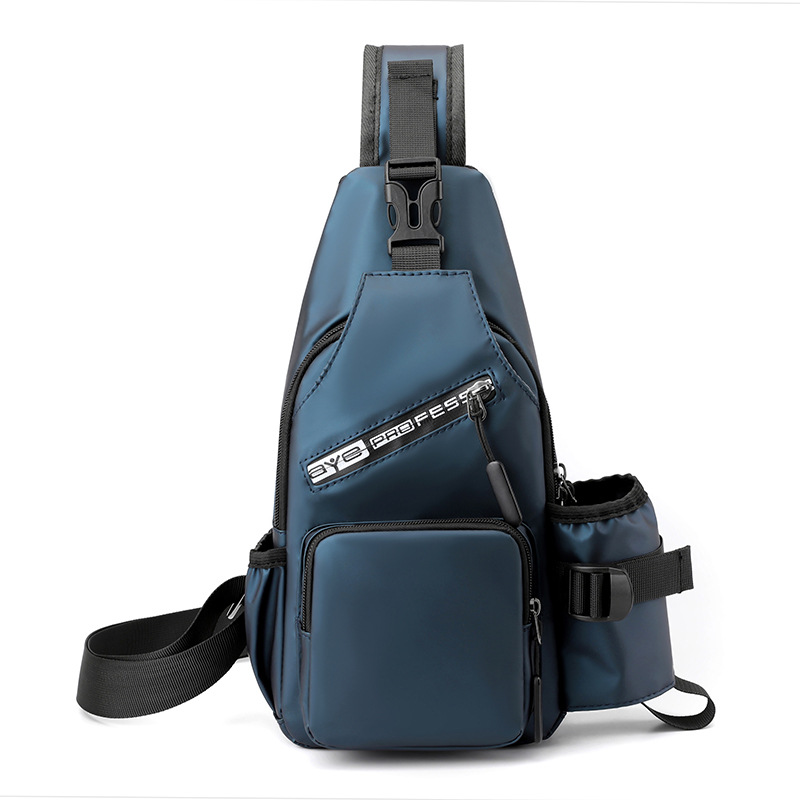
That is why a travel sling bag often appeals to commuters, city travelers, and casual users who want to carry only the essentials: phone, wallet, keys, a small power bank, earbuds, maybe a compact water bottle if the design allows it. The product does not need to do everything. In fact, trying to force too much capacity into a small sling bag can make the shape uncomfortable and unstable.
Common Sling Bag Types and Where They Fit
Everyday urban use
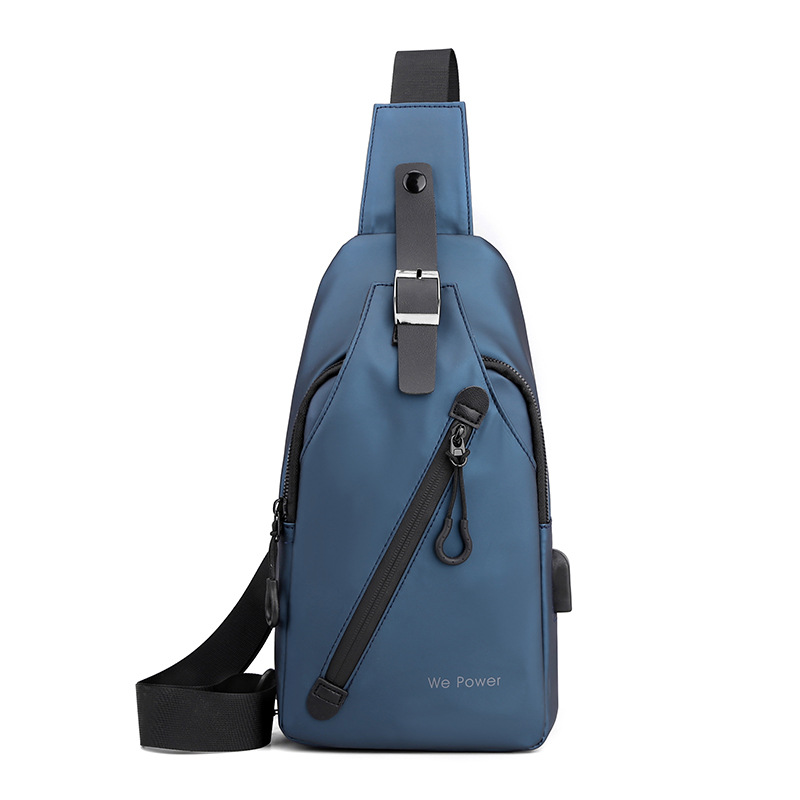
A casual sling bag usually focuses on simple organization and visual versatility. Neutral colors, lightweight construction, and a clean front panel are typical. Retailers often use this version for broad audiences because it avoids looking overly technical.
Gendered style positioning
A men sling bag is often marketed with darker colors, sharper lines, and a more utilitarian look. A women sling bag may lean toward slimmer proportions, softer finishes, or more style-led detailing. These distinctions are useful for merchandising, but buyers should be cautious about over-segmenting too early. In many markets, unisex styling still moves better than rigid gender coding.
Security-focused models
An anti-theft sling bag is usually defined by practical features such as hidden zippers, reinforced strap construction, and compartments that are harder to access casually. That can be valuable for travel and transit-heavy use. Still, a security-focused bag should not become cumbersome. If the hardware feels stiff or the pocket access becomes annoying, the user may simply stop carrying it.
Material, Structure, and Hardware: The Details That Change Performance
For sourcing teams, the material decision shapes almost everything else. Synthetic fabrics are common because they are lightweight and cost-efficient, while some casual sling bag designs use canvas or other textured materials to create a softer, lifestyle look. The best choice depends on the intended market, not a trend cycle.
Structure matters as well. A soft-body sling bag is easier to pack and often more comfortable for light carry. A semi-structured model holds its form better on display and can make the product look more premium, but it may also add weight. Buyers should watch the balance between appearance and real comfort.
Hardware is often underestimated. Zippers, buckles, strap adjusters, and stitching points all affect perceived quality. On a compact bag, small failures are obvious. A weak zipper on a small sling bag can ruin the entire user experience because the product is touched constantly.
How to Choose the Right Sling Bag for Your Range
Start with the user scenario.
If the bag is for commuting, prioritize quick access and secure pocket placement. If it is for travel, think about anti-theft details and all-day wear comfort. If it is for fashion-led retail, shape and surface finish may matter more than total capacity.
Then look at capacity honestly. A sling bag should not pretend to be a backpack. Buyers sometimes ask for more internal storage than the silhouette can carry comfortably, which leads to bulging sides and poor strap load distribution. That is a mistake worth avoiding.
Next, check the strap design. Wide enough to spread load, adjustable enough to fit different bodies, and stable enough not to twist easily. Those are basic requirements, but they are exactly where many products disappoint.
Practical Buyer Warnings
A few issues show up again and again in this category.
One is overcomplication. Too many pockets can make a sling bag harder to use, not easier. Another is weak differentiation: a product that looks like every other bag on the shelf has to compete on price alone. That is rarely a comfortable place to be.
Also, do not assume every consumer wants the same carry position. Some prefer a crossbody sling bag worn on the front for security; others want it behind the back for comfort and a cleaner profile. A good product page and package insert can help set that expectation, which reduces complaints.
Key Takeaways for Product Teams
A sling bag succeeds when it matches a specific use case cleanly. The best models feel light, stable, easy to access, and visually appropriate for the target buyer. The worst ones are overbuilt, awkwardly proportioned, or styled without a clear audience.
If you are planning a range, decide first whether the product is meant to be a travel sling bag, a casual daily carry item, or a security-oriented model. Once that is clear, material, pocket layout, and strap construction become much easier to specify.
FAQ
Is a sling bag better than a backpack for daily carry?
Not always. A sling bag is better when the user carries fewer items and wants faster access. A backpack is better for heavier loads or longer days.
What makes an anti-theft sling bag different?
It usually includes hidden access points, more secure zipper placement, or design choices that make casual opening harder. The details vary, but the goal is the same: reduce easy access from the outside.
Which sling bag style sells best?
That depends on channel and audience. Casual, versatile styles often have broad appeal, while more specialized designs can work well in travel or urban commuter segments.
Next Step for Buyers
If you are evaluating a sling bag line for retail or private label development, start with the end user, not the trend board. Define the carry scenario, confirm the size and structure you actually need, and test the strap comfort with real loading. Small decisions in this category have outsized consequences, and that is exactly why the product deserves a closer look before it reaches production.