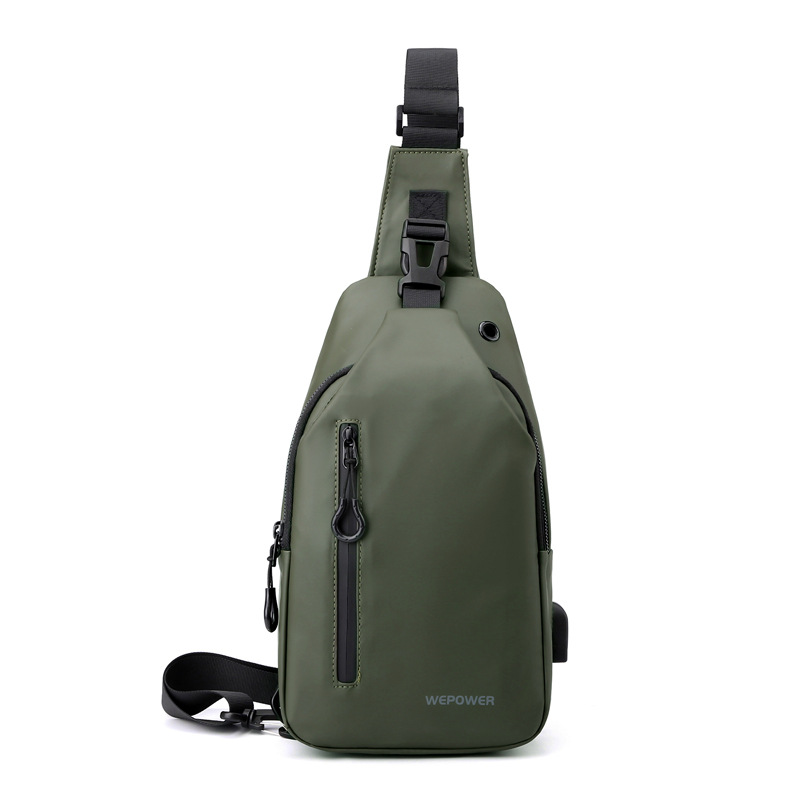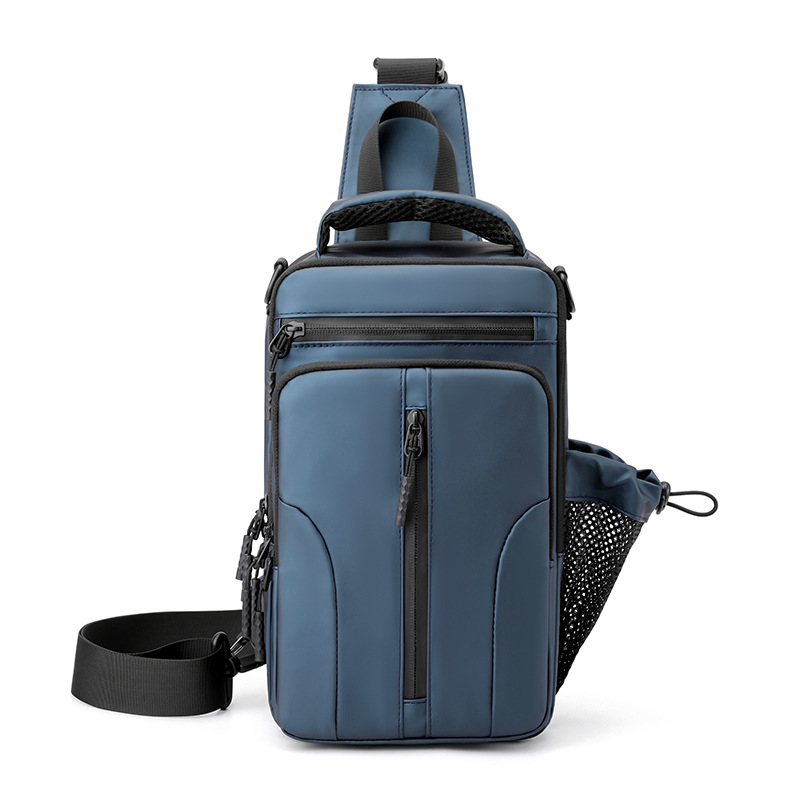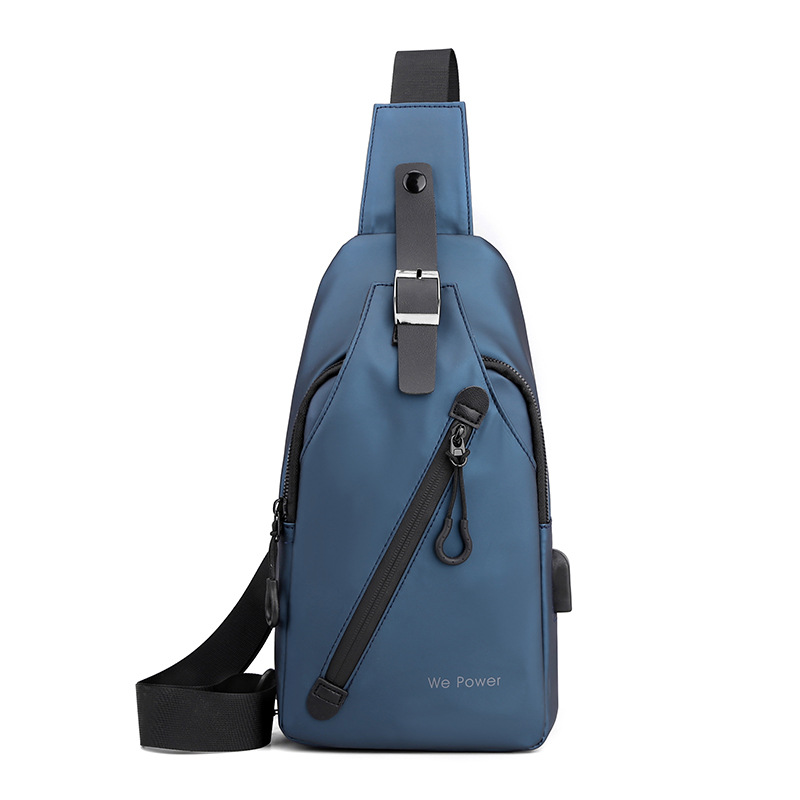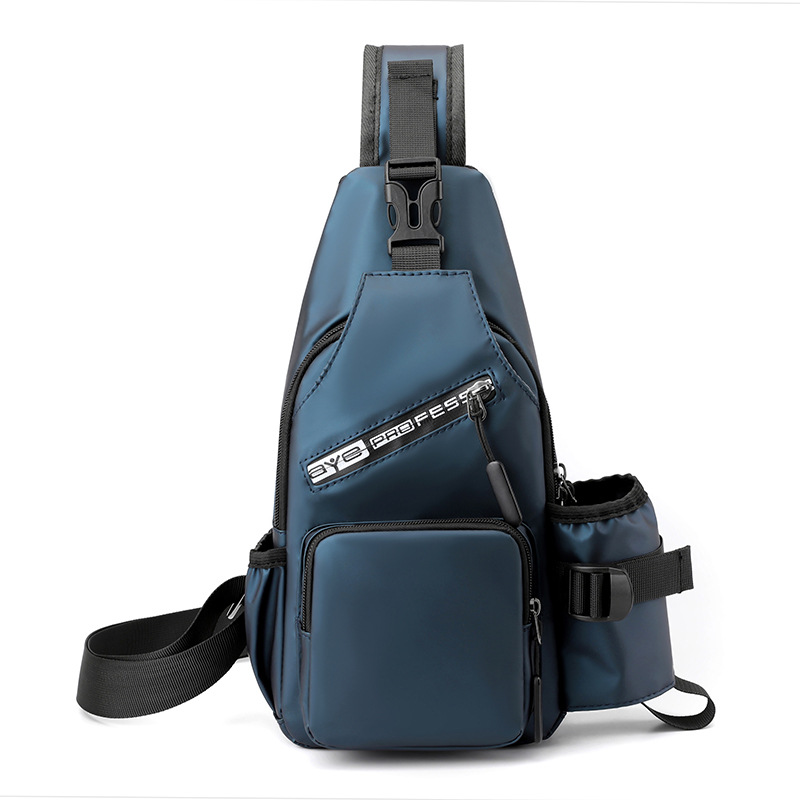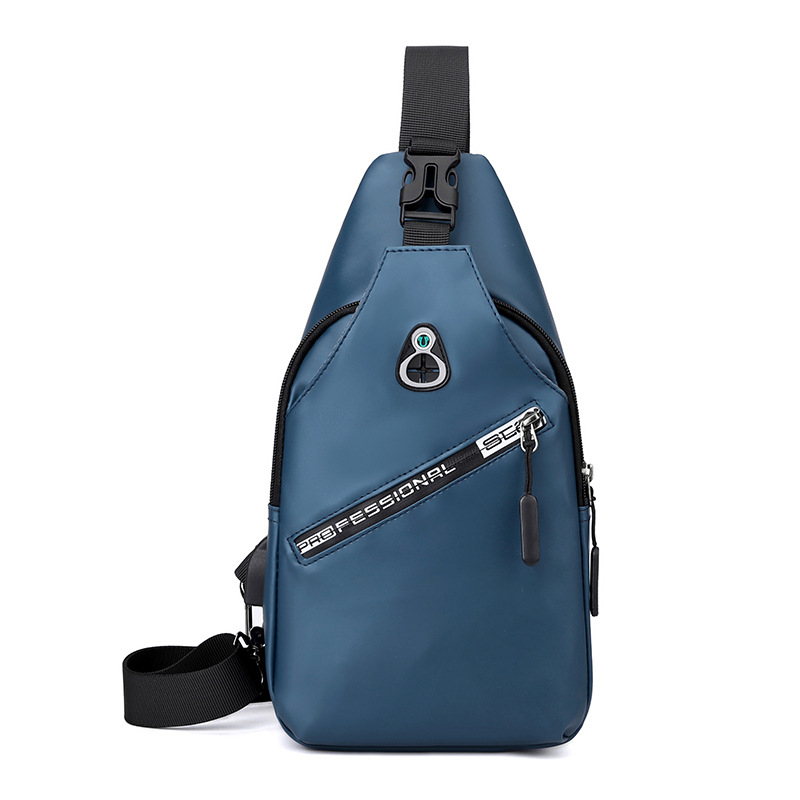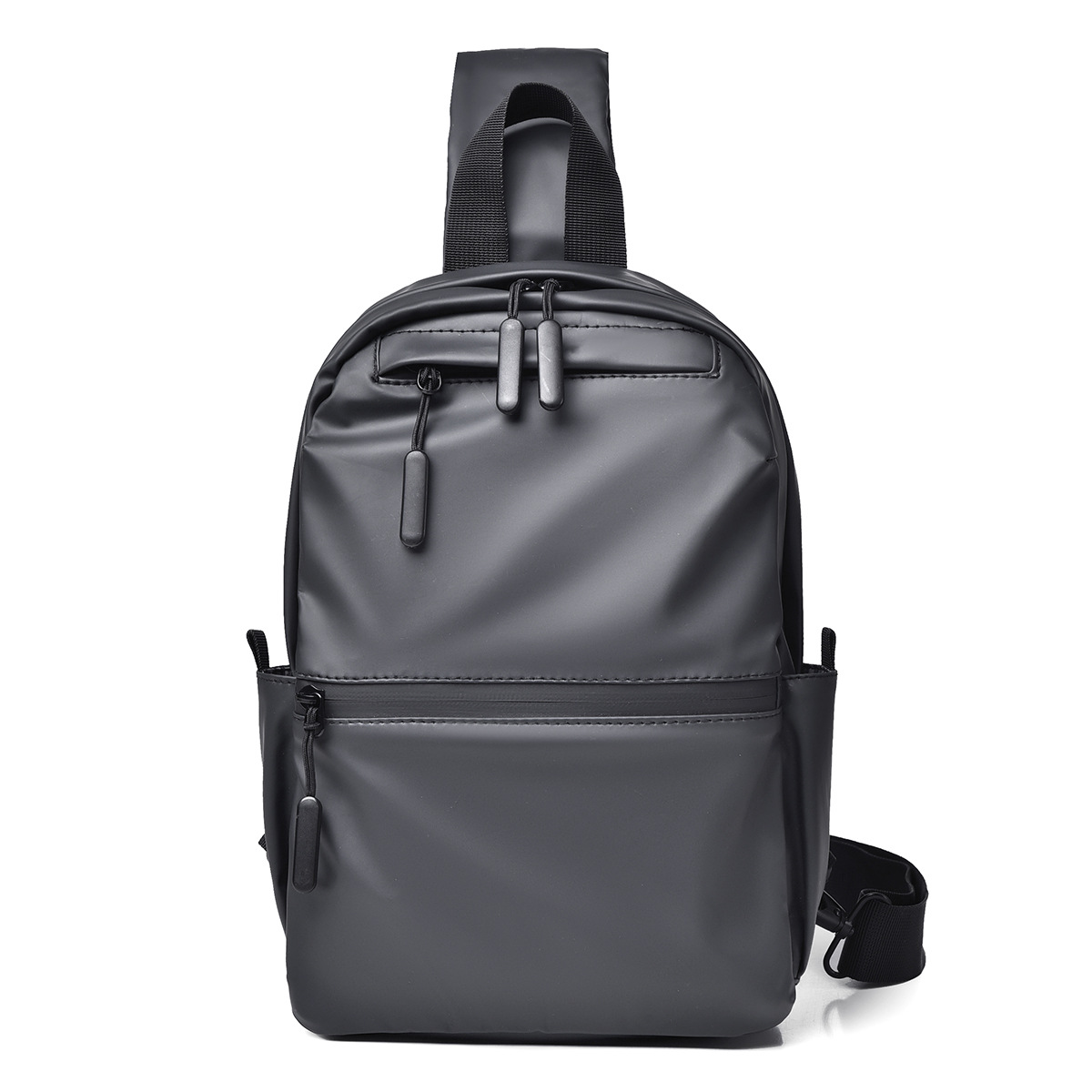
Sling Bag Basics: What Buyers Should Actually Look For
A sling bag looks simple at first glance, but anyone sourcing bags for retail, promo, or private label work knows the details matter. A good sling bag has to carry enough without feeling bulky, sit comfortably across the body, and hold up to daily use. For end users, it is often the bag they grab for commuting, short trips, errands, or light travel. For buyers, the decision is less about style alone and more about construction, material choice, closure type, and how the bag will perform in real use.
The search intent behind this topic is usually practical: people want to know what kind of sling bag fits a specific use case, which materials make sense, and where the common quality traps are. A design that looks sharp in a product photo can still fail if the strap twists, the zipper jams, or the interior layout makes the bag awkward to pack. That is the difference between a product that sells once and one that returns as a repeat order.
Why Sling Bags Keep Showing Up in Product Lines
Demand stays steady because the format is useful. A shoulder sling bag offers hands-free carry without the size commitment of a backpack. A travel sling bag is often chosen when someone wants quick access to documents, a phone, wallet, passport, or earbuds. A casual sling bag works for everyday urban carry, while a small sling bag or mini sling bag appeals to buyers who want a lighter silhouette and less visual bulk.
That flexibility makes the category attractive, but it also means the product needs a clear position. If the bag is meant for commuting, buyers usually care about security and weather resistance. If it is aimed at fashion retail, the finish, stitching, and color consistency become more important. If it is designed for travel, pockets and access matter more than decorative details.
Material Choices Shape Performance and Perception
Material selection affects not only cost, but also how the bag is perceived on shelf. A leather sling bag tends to signal a more polished, premium look. It can work well for business-casual buyers or urban fashion lines, though weight and care requirements should be considered. A canvas sling bag usually feels more relaxed and is often easier to position for casual and lifestyle assortments. It can handle a rugged, everyday image, but the fabric weight and finishing quality still need attention.
For many programs, the best choice is not the “best” material in the abstract, but the one that matches the target customer and price band. A lower-priced bag with poor hardware will disappoint faster than a modest design with good stitching, a stable strap anchor, and a reliable zipper. That sounds obvious, but it is where a lot of sourcing decisions go wrong.
Features That Affect Real-World Usability
Buyers often focus on size first, but the internal layout deserves equal attention. A well-designed sling bag should make it easy to reach the most-used items quickly. Interior pockets, a secure main compartment, and a stable strap attachment point all improve the user experience. For an anti-theft sling bag, hidden zippers, body-facing openings, or reinforced closure points can add value, though the design must still be comfortable to wear.
Another detail that gets overlooked is how the bag rides on the body. A sling bag that shifts too much or twists during movement will feel cheap even if the shell material is decent. Strap width, adjustability, and padding matter more than many product descriptions admit. On compact models, the balance between a small sling bag profile and usable storage is especially delicate.
How to Choose the Right Sling Bag for Your Market
Start with use case, not trend. If your customer is a commuter, prioritize access and security. If the line is aimed at travel, look at pocket placement and compact organization. If you are building a fashion assortment, pay close attention to the silhouette, material finish, and how the bag photographs from multiple angles.
Then check the practical basics: weight, strap comfort, zipper quality, seam reinforcement, and how the product holds shape when partially filled. For a casual sling bag, a softer structure may be acceptable. For a premium retail item, the bag should still maintain a clean profile when it is not full. That difference matters on the shelf and in online listings.
Common buyer mistakes
One common mistake is treating all sling bags as interchangeable. They are not. Another is overloading the design with pockets that look useful but create awkward bulk. A third is choosing materials that look good in a sample but are impractical for the intended customer. A travel sling bag that is too decorative can feel delicate; a rugged canvas sling bag with poor trim can look unfinished.
Quick Comparison by Use Case
Everyday city carry: compact, comfortable, easy to access.
Travel: secure closure, organized storage, low-profile carry.
Fashion retail: finish, texture, color consistency, silhouette.
Premium lifestyle: leather sling bag styling, hardware quality, clean construction.
Budget or casual lines: simple structure, dependable stitching, durable fabric such as canvas.
Practical Buyer Advice Before You Place an Order
Ask for samples and test them with real items, not just a phone and wallet. Check zipper runs repeatedly. Load the strap and see whether the bag stays stable across the chest or back. Inspect how the seams behave around stress points, especially where the strap attaches to the body of the bag. These are the spots that tend to reveal weak construction early.
If the bag is going into an online catalog, make sure the size story is clear. A mini sling bag can disappoint if buyers expect more capacity than the design can physically offer. On the other hand, a larger model may look less fashionable than expected. Clear positioning prevents returns, and returns are expensive in this category.
FAQ: Short Answers Buyers Usually Need
Is a sling bag better than a backpack?
Not always. It is better for lighter carry, faster access, and a smaller profile.
Which is more versatile, leather or canvas?
That depends on the market. Leather often sells as more premium; canvas usually fits casual and everyday use better.
What makes an anti-theft sling bag different?
Security-focused opening placement, hidden access points, and better closure control are common differences.
What size should I choose?
Choose based on carry needs. A small sling bag suits essentials only. A larger travel sling bag is better when more organization is required.
What to Do Next
If you are sourcing sling bags for a product line, define the use case first, then narrow down material, structure, and feature set. That sequence saves time and usually leads to better samples. A good bag does not just look right in a catalog; it holds up when someone wears it all day. That is the standard worth keeping in mind before you approve the next round.