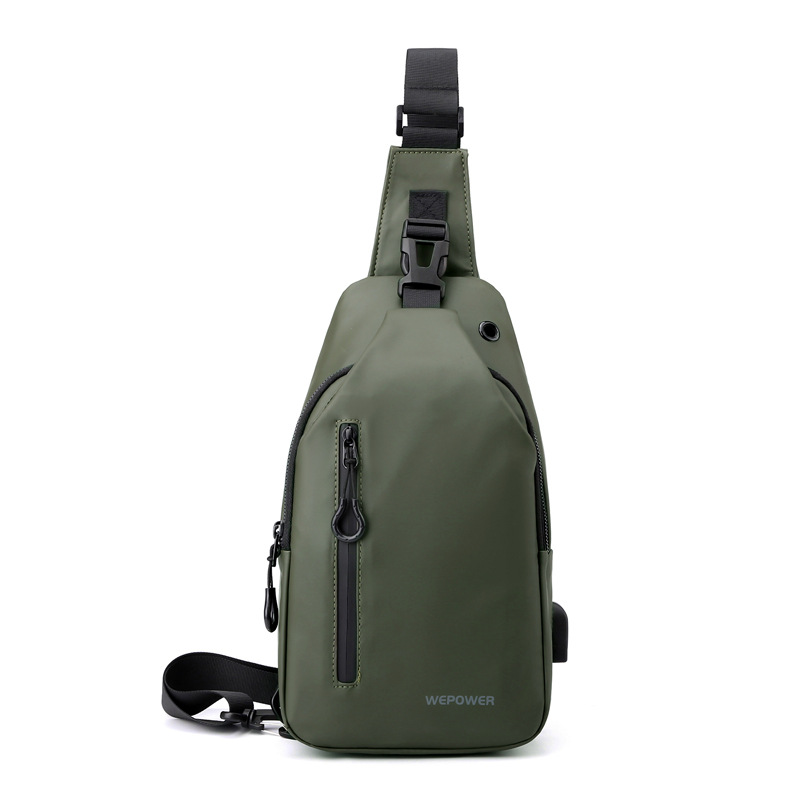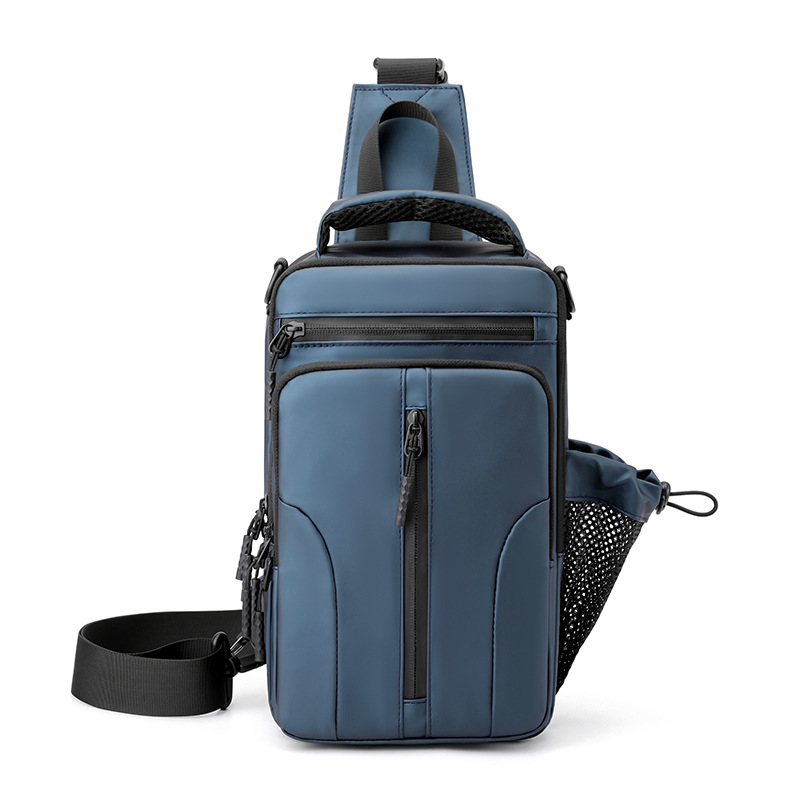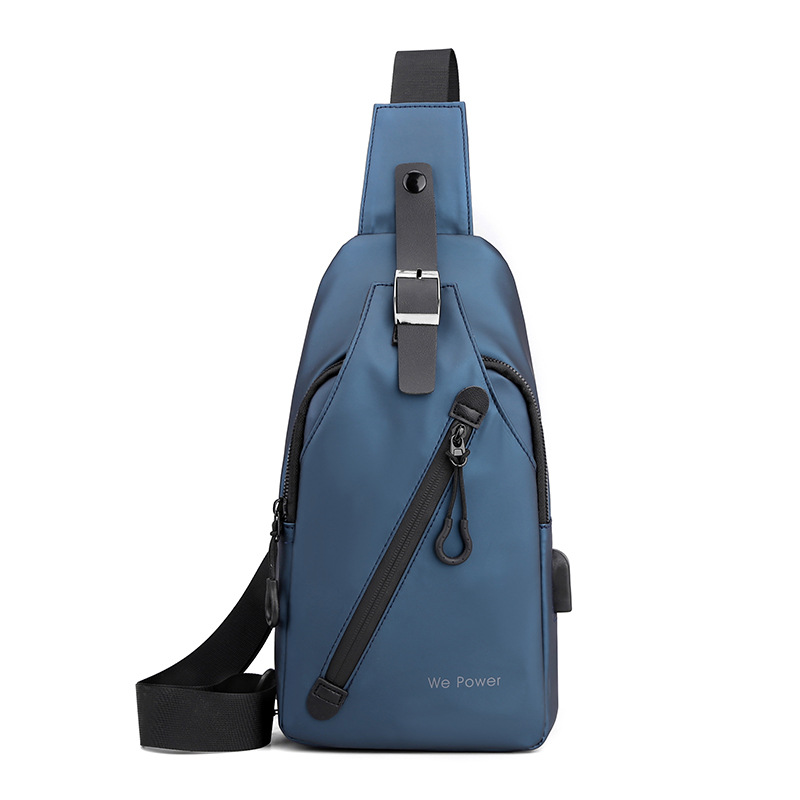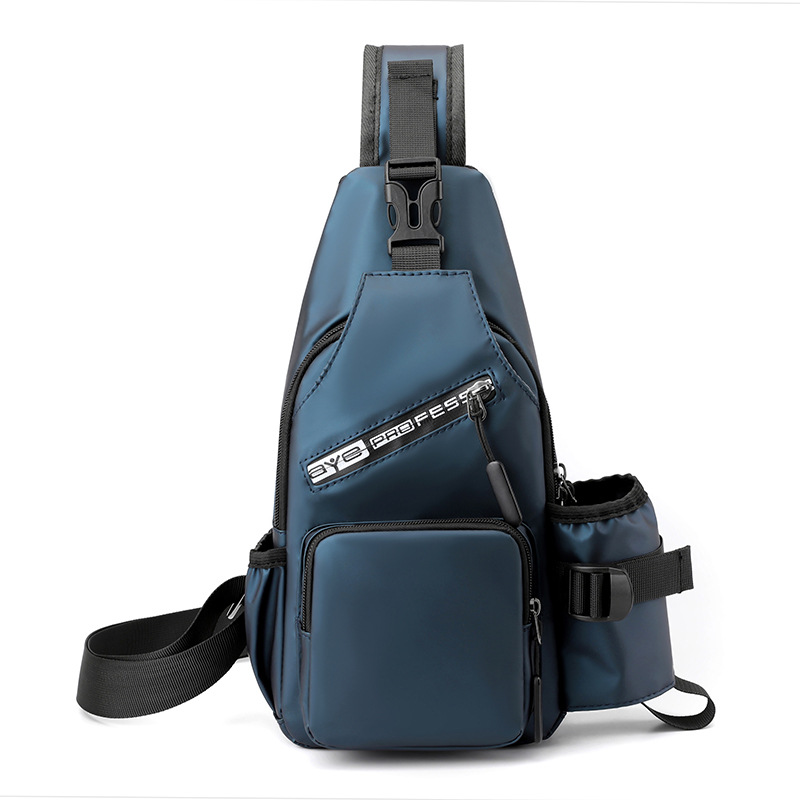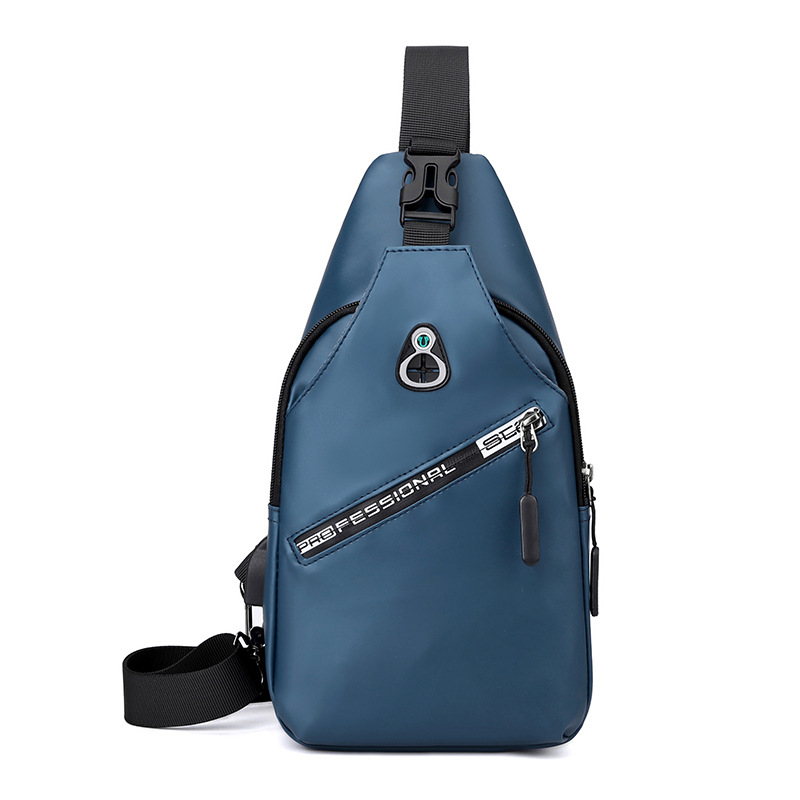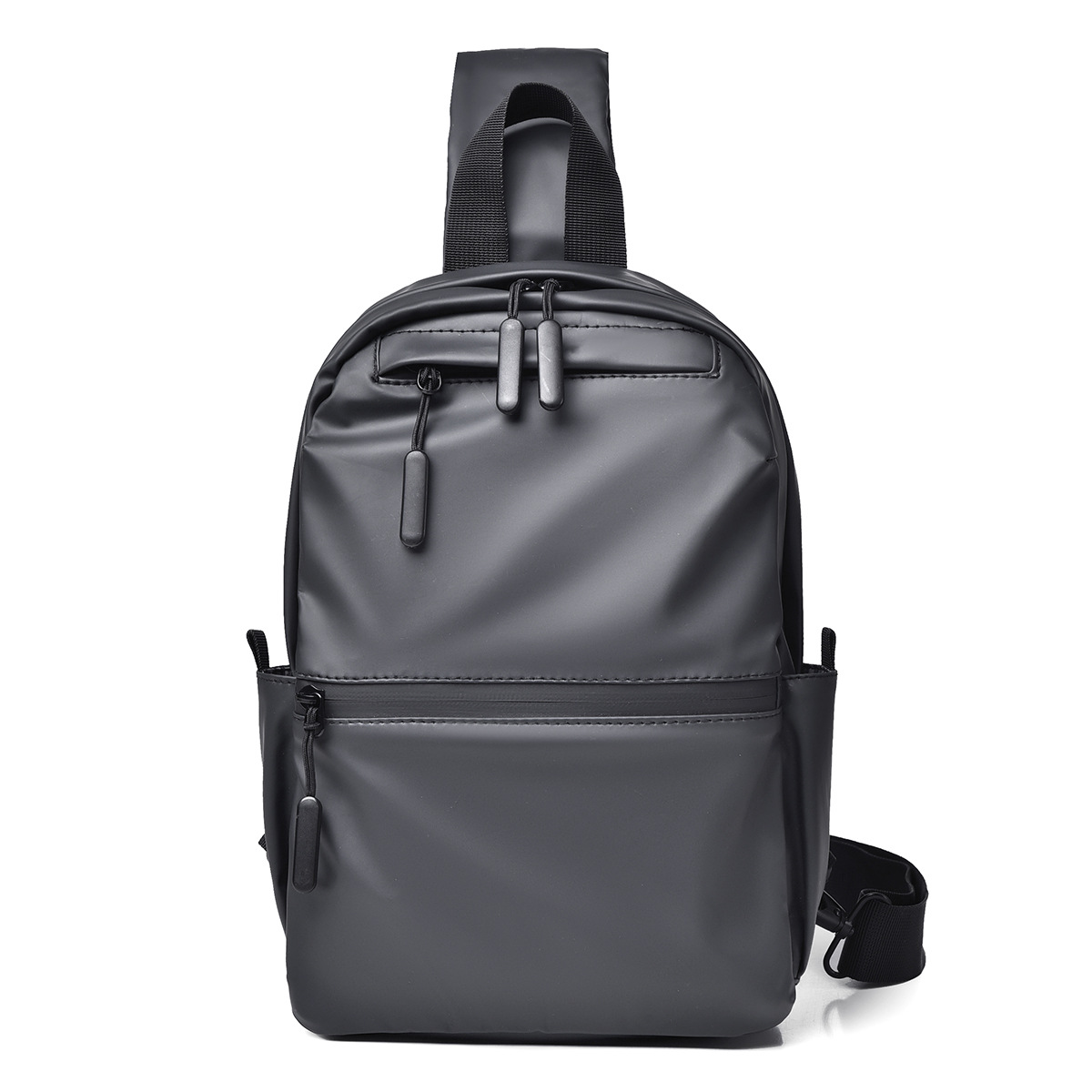
Sling Bags: a practical carry option that sits between a pocket and a backpack
A sling bag is one of those products people notice only after they start using it daily. For commuters, travelers, retail buyers, and brands building accessory lines, the appeal is simple: it keeps essentials close, frees both hands, and feels less bulky than a backpack. That mix of convenience and compact size is exactly why the category keeps showing up in sourcing plans, especially when buyers need a bag that works for city movement, short trips, or light-duty daily carry.
What matters, though, is not just the silhouette. The right sling bag has to balance capacity, comfort, access, materials, and security. A style that looks good on a product page can still fail in use if the strap sits poorly, the zipper is awkward, or the body fabric scuffs too easily. For sourcing teams, the decision is less about “Do we want one?” and more about which construction best matches the user and price point.
Why the category keeps growing
The sling format fits modern carry habits. People rarely need to haul everything anymore; they want a phone, wallet, charger, transit card, sunglasses, and maybe a small notebook. That is where a small sling bag makes sense. It is compact enough for casual use, yet still offers more organization than a jacket pocket or tote pouch.
Retailers also like the category because it sits across multiple style lanes. A crossbody sling bag can be positioned as urban utility, travel gear, or casual fashion depending on the material and hardware. The same basic form can be made in leather, canvas, or performance fabrics, which opens room for different margins and customer segments.
Material and style choices buyers usually compare
Leather and leather-look versions
A men sling bag leather style often leans toward a more structured look, darker tones, and cleaner stitching. It may be aimed at office-to-weekend carry or premium casual wear. A women sling bag leather version, by contrast, is sometimes designed with softer proportions or more decorative hardware, though the line between these categories is getting less rigid. Buyers should pay close attention to the grain, backing, edge finishing, and how the material behaves when the bag is worn close to the body. Leather can elevate the product, but it also exposes small defects more easily.
Canvas and casual builds
A sling bag canvas style usually reads as more relaxed and utility driven. Canvas can be a good fit for everyday carry, especially when the customer wants a bag that looks less formal and can handle rougher handling. The tradeoff is that fabric choice and coating matter a great deal. A thin canvas body may feel economical, but it can lose shape quickly.
Weather-minded options
For travel or commuting, a water resistant sling bag can be easier to sell than a purely fashion-led version. Buyers should still be careful with wording here. “Water resistant” does not mean waterproof, and closures, seam construction, and zipper design are just as important as the outer fabric. This is one of those details that sounds minor in a spec sheet and becomes very obvious in the field.
Security and everyday functionality
Some users buy an anti theft sling bag specifically for crowded trains, airports, or festivals. In practice, that usually means hidden zippers, rear-facing compartments, locking hardware, or at least a design that keeps the main opening close to the body. These features can improve perceived value, but they should be built into the bag in a way that does not make access annoying. A security feature that slows the user down too much often gets ignored.
Beyond security, buyers should look at strap adjustment range, pad comfort, internal pocket layout, and whether the bag swings naturally when worn. A poor strap attachment point can make even a well-made bag feel cheap. That is one of the more common issues in this category, and it tends to show up after the first few weeks of use rather than on day one.
How to choose the right sling bag for a line or order
Start with the use case. A commuter bag needs easy access and modest security. A travel bag needs anti-theft features and durable hardware. A fashion item needs shape, color, and trim quality. Trying to force one design to serve every audience usually leads to compromise.
Then match material to price and brand position. Leather looks premium but raises quality-control sensitivity. Canvas is flexible and often easier to market at casual price points. Synthetic shells can offer lighter weight and better moisture handling, but the touch and drape need to feel intentional rather than synthetic for its own sake.
Finally, think about how the bag will be packed, photographed, and sold. The best sling bag is not always the one with the most features. It is the one that makes a clear promise to the buyer and delivers on it without awkward tradeoffs.
Common mistakes in sourcing this category
One common mistake is over-specifying compartments. Too many pockets can make a compact bag feel cluttered and harder to sew cleanly. Another is ignoring strap ergonomics. A bag can pass visual review and still fail on comfort if the strap is too narrow or the adjustment range is too short.
Buyers also sometimes underweight closure quality. If the zippers bind, the snaps feel flimsy, or the pullers are too small to use quickly, the user experience drops immediately. Small details matter here because the whole category is based on convenience.
Practical buyer takeaway
If you are evaluating a sling bag program, ask a simple question: what job is this bag doing for the user? Once that is clear, material, size, security level, and styling become much easier to align. A good brief keeps the product focused. A vague brief usually produces a bag that looks fine in samples and mediocre on shelves.
For sourcing teams, the safest path is to compare a few tightly defined versions side by side: a small sling bag for daily carry, a water resistant sling bag for commuting, and an anti theft sling bag for travel-oriented customers. That comparison quickly shows where your market is willing to pay more and where the design can stay lean.
FAQ
Is a sling bag meant for everyday use?
Yes, provided the size and strap layout fit the user’s routine. It is often chosen for light carry and quick access.
Does leather make a sling bag better?
Not automatically. Leather can improve appearance and perceived value, but it requires cleaner finishing and usually higher inspection standards.
Is canvas durable enough?
It can be, depending on fabric weight, stitching, and coating. The construction matters as much as the base material.
What should buyers test first?
Strap comfort, zipper behavior, seam finishing, and how the bag feels when worn for a full day. Those are the points users notice fastest.
Next step
When comparing sling bag options, do not stop at appearance. Ask for construction details, material samples, and a real packing scenario before you commit. That small extra step often separates a product that merely photographs well from one that actually earns repeat demand.