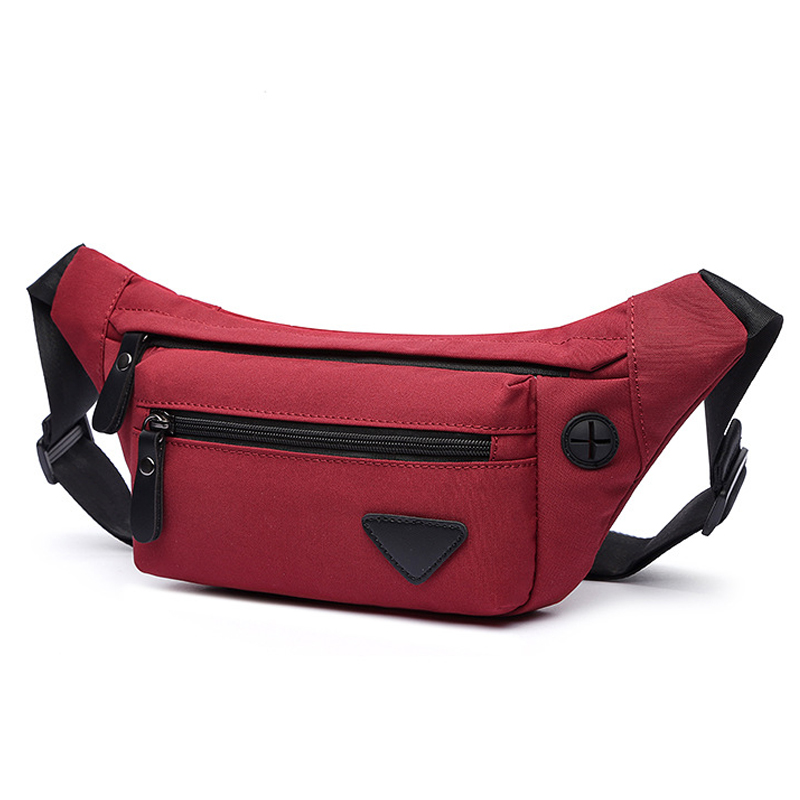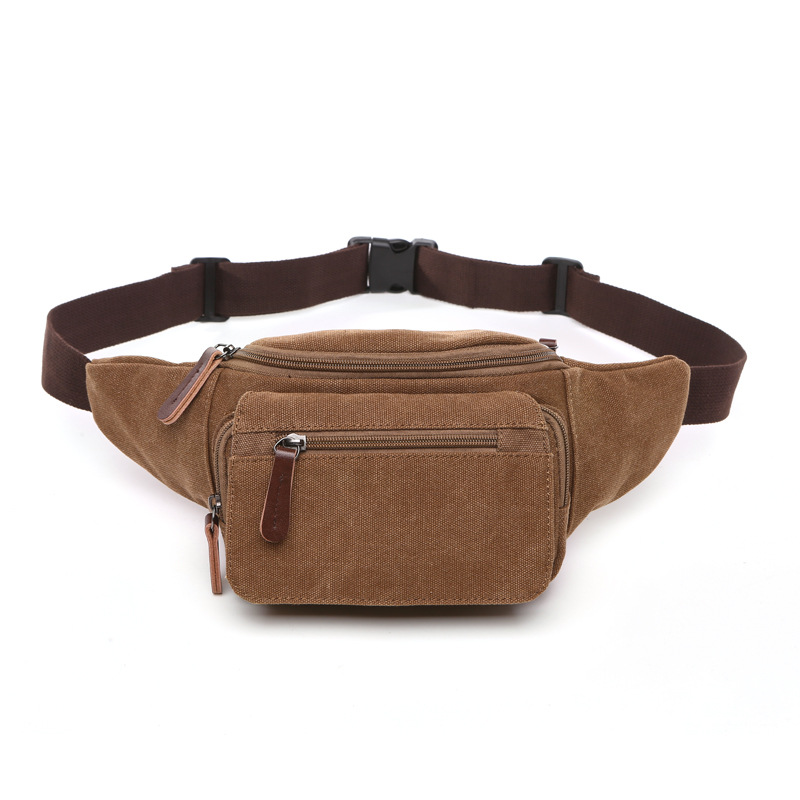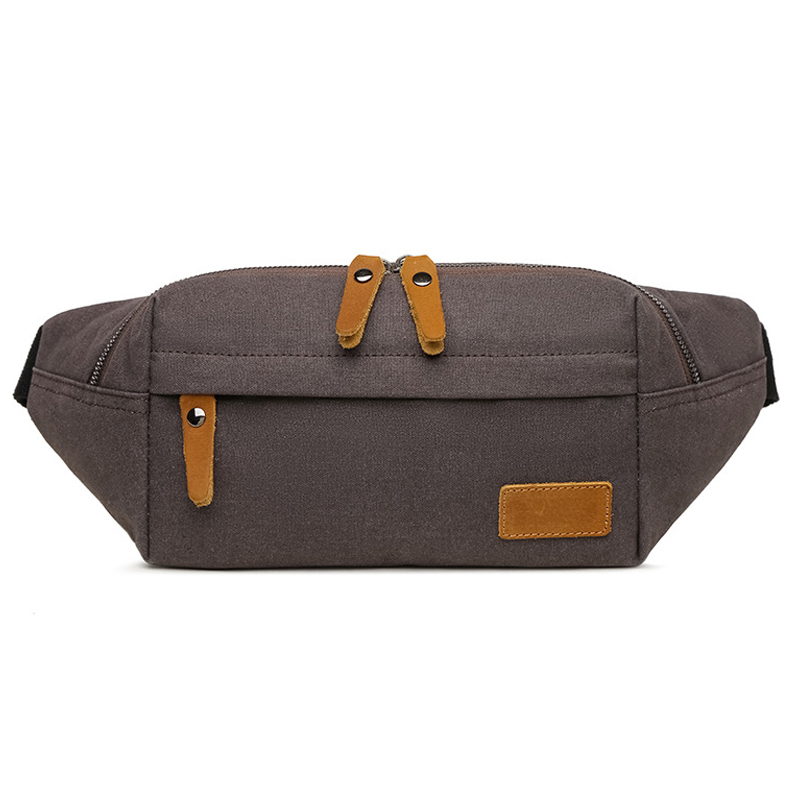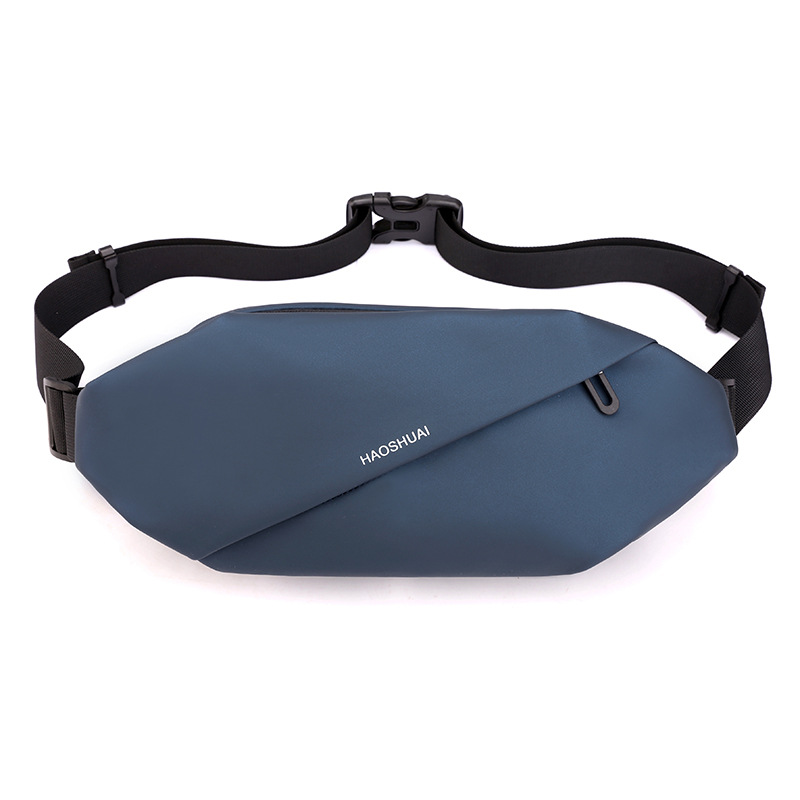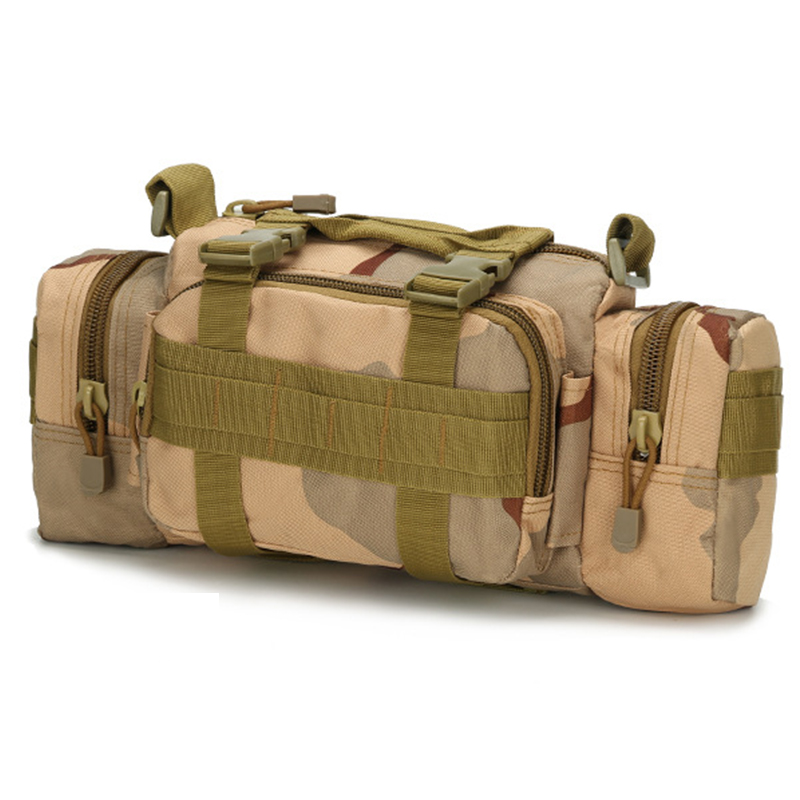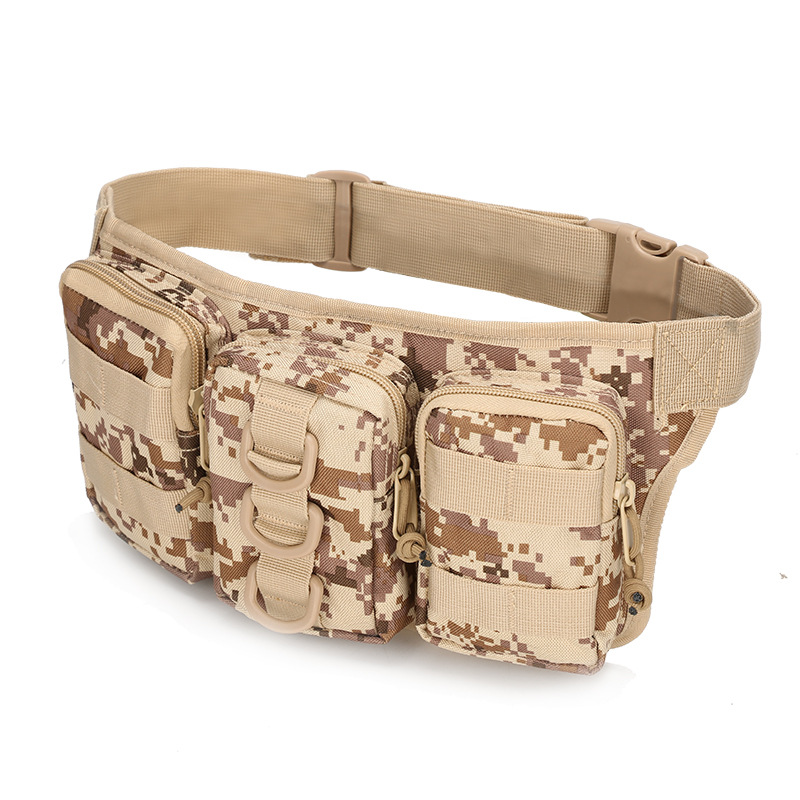
Why the Waist Bag Still Has a Place in Modern Product Lines
The waist bag has moved far beyond its old reputation as a tourist accessory. For product teams, sourcing managers, and brand owners, it now sits in a useful middle ground: compact, easy to carry, lightweight to ship, and flexible enough to serve travel, sport, outdoor, and everyday carry markets. That matters because buyers are no longer choosing bags only for storage. They are choosing for mobility, comfort, and how a product fits into daily routines without becoming a burden.
If you are evaluating a waist bag program, the real question is not whether the format still works. It does. The question is which version fits your customer segment, what features are worth paying for, and where the design trade-offs sit. A travel waist bag and a running waist pack may look similar at a distance, but they solve different problems and carry different expectations for fit, access, and durability.
What Buyers Usually Mean by “Waist Bag”
In sourcing conversations, the term can cover a few different silhouettes. Some buyers still use the older term fanny pack, while others prefer crossbody waist bag or unisex waist pack depending on how the item is worn and marketed. The same base product may be positioned as a sports waist bag for fitness channels, a travel waist bag for passport-and-wallet use, or an outdoor waist bag for hiking and field activities.
That naming difference is not cosmetic. It affects material choice, strap construction, pocket layout, and the image the product has to project. A hands-free bag for commuting has to look cleaner and more urban. A running waist pack needs bounce control and a low-profile body. An outdoor waist bag may need stronger stitching, better zipper pull design, and more resistance to abrasion from repeated use.
Key Design Factors That Affect Performance
1. Fit and carry behavior
The biggest difference between a decent bag and a frustrating one is how it sits on the body. Waist bags that ride too high, shift during movement, or pinch at the strap can quickly create returns. Adjustable webbing, stable buckle hardware, and a shape that follows the body’s contour all help. For active use, buyers should test whether the bag stays stable when loaded unevenly, since users rarely pack items with perfect balance.
2. Material selection
Textile choice sets the tone for both use and price. Lightweight woven synthetics are common for casual and travel use because they keep the bag slim and easy to clean. Heavier fabrics may be appropriate when the product needs a more rugged feel. For a sports waist bag or running waist pack, the surface should not absorb too much water or become bulky when damp. This is a practical detail that gets overlooked until the first bad review arrives.
3. Access and organization
Pocket layout should reflect the real use case. A travel waist bag often needs quick access to tickets, cash, cards, or a phone. An outdoor waist bag may need separate compartments to reduce clutter. A crossbody waist bag can benefit from a zip opening that is easy to reach while worn. Too many compartments can be just as awkward as too few; the best design is usually the one that makes the main items easy to find without turning into a tiny backpack.
How to Match the Bag Type to the Market
For retail buyers, the decision starts with end-user behavior.
If the audience is urban and style-conscious, the bag should read as a modern hands-free bag rather than a dated utility item. Clean lines, neutral colors, and a flatter profile often work better than oversized shapes.
If the audience is travel-focused, a travel waist bag should prioritize security and accessibility. Buyers should think about how the product performs in airports, crowded streets, and long walking days.
For fitness and active channels, a sports waist bag or running waist pack needs to do one thing well: stay out of the way. Elasticity, strap security, and light weight matter more than decorative features.
For outdoor channels, an outdoor waist bag may need stronger abrasion resistance and better load stability, even if the product looks slightly less refined.
Common Sourcing Mistakes
One common mistake is treating every waist bag as interchangeable. It is not. A bag that sells well as a casual crossbody waist bag may fail in performance channels because it moves too much during activity.
Another mistake is overdesigning. Buyers sometimes add extra pockets, oversized zippers, and layered trims in the hope of increasing perceived value. In practice, this can make the bag heavier and harder to use. Simpler products often win when the function is obvious.
A third issue is underestimating closure quality. Small bags get handled constantly, so zipper smoothness and strap hardware are not minor details. They are the product.
Practical Buyer Checklist
Before moving a waist bag into production, ask a few blunt questions:
Will the target customer wear it at the waist, across the body, or both?
Does the design support the intended load, or only look good empty?
Are the materials appropriate for travel, sport, or outdoor use?
Is the internal layout simple enough for quick access?
Does the silhouette match the channel, whether that is fashion, utility, or activewear?
These are small questions, but they prevent expensive mismatches later.
What to Ask Your Supplier Before Ordering
Request samples in the exact use configuration you plan to sell. If the product is intended as a running waist pack, test it in motion. If it is positioned as a unisex waist pack for retail shelves, check how it hangs, folds, and presents in packaging. Ask for construction details on strap attachment, zipper type, and pocket layout, and confirm any customization limits before lock-in. Suppliers can usually support a range of finishes and branding treatments, but the underlying structure should already fit the market you are targeting.
FAQ
Is a fanny pack the same as a waist bag?
Usually yes, though “waist bag” and “crossbody waist bag” are often preferred in newer merchandising and international sourcing.
What type works best for active use?
A running waist pack or sports waist bag is typically the better fit because it is designed to stay stable and light.
What should buyers watch most closely?
Fit, zipper quality, strap comfort, and whether the bag matches the actual wear style of the target customer.
Next Step for Buyers and Product Teams
If you are developing a waist bag program, start with the user scenario, not the accessory category. That one decision will narrow the right materials, silhouette, and feature set faster than any trend report. A good sample should feel obvious in use. If it does not, the design probably still has work to do.