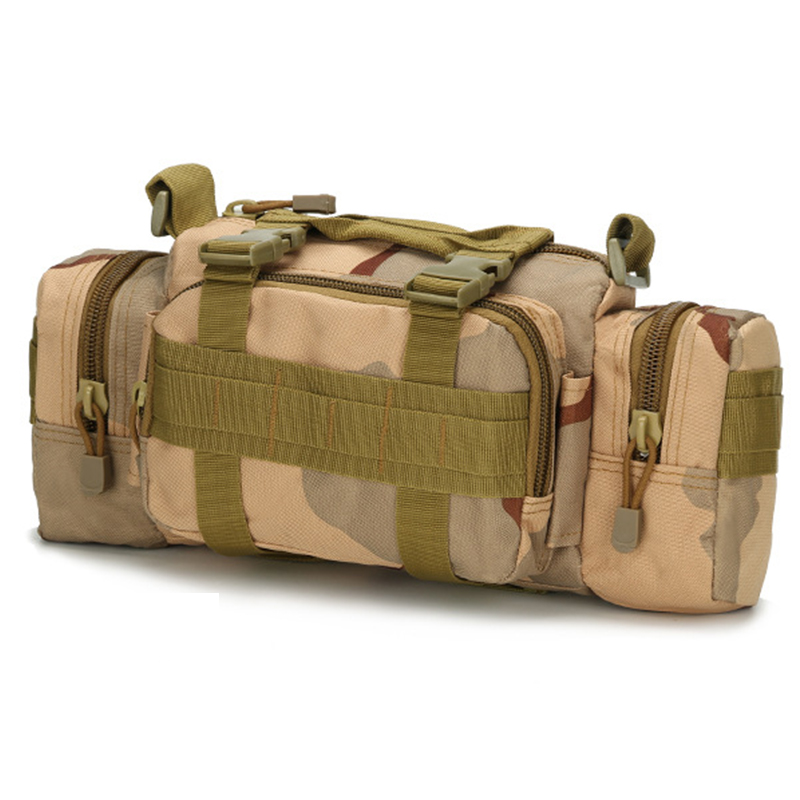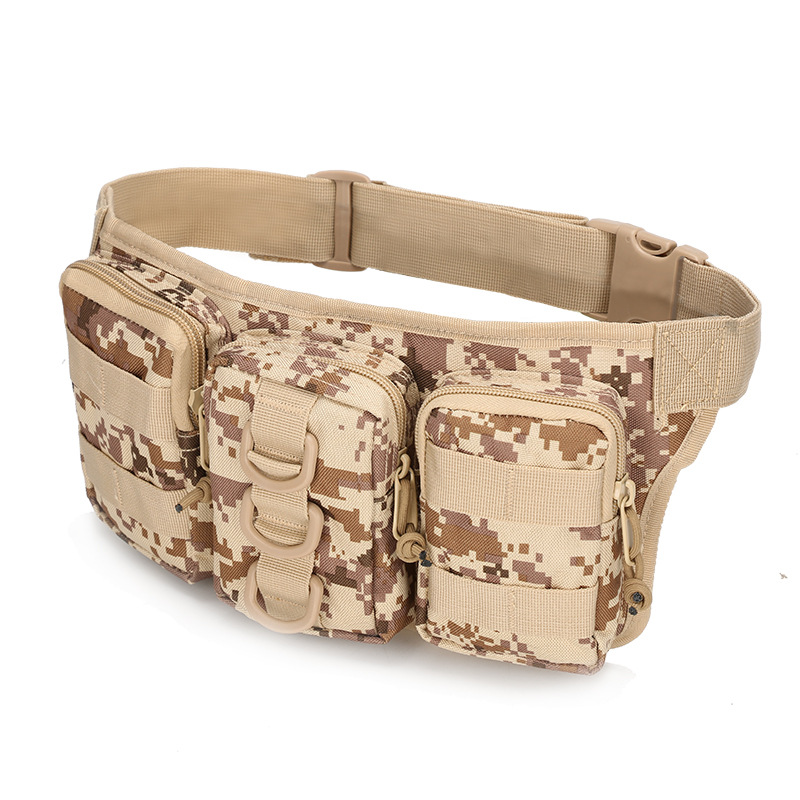
Why the Waist Bag Still Matters in Product Development and Sourcing
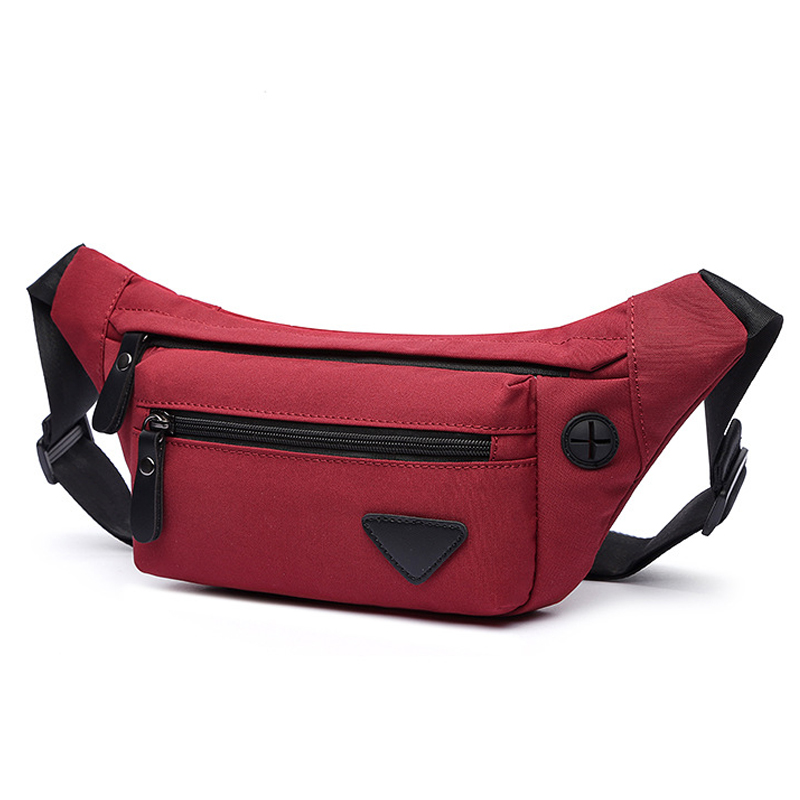
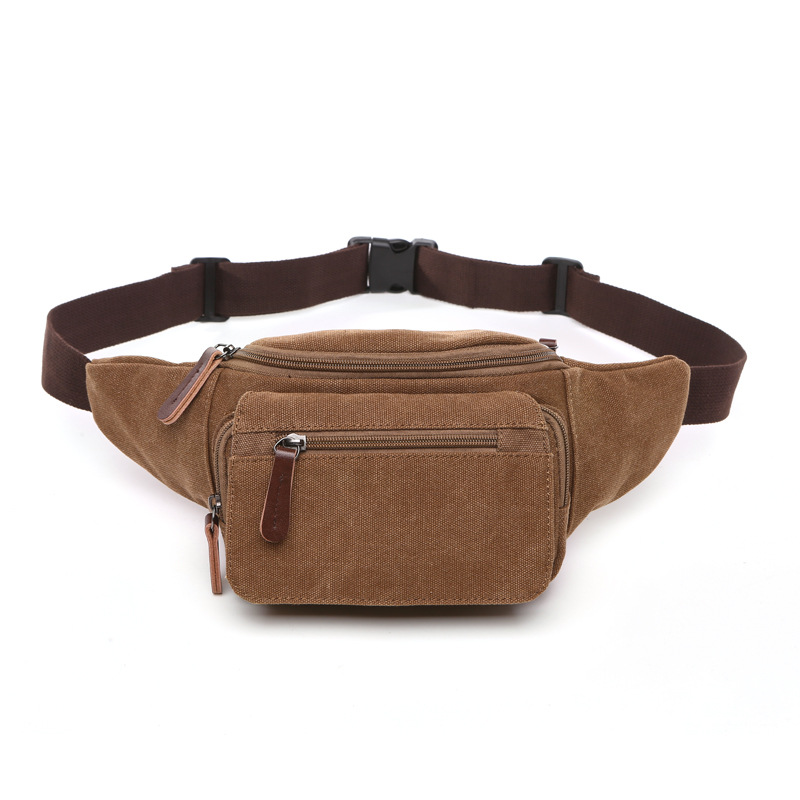
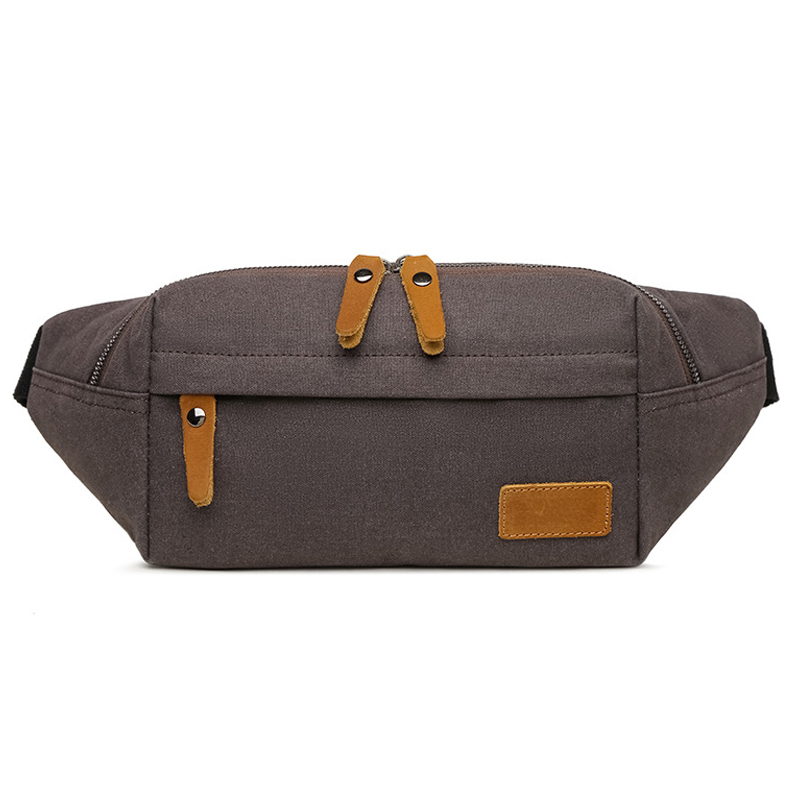
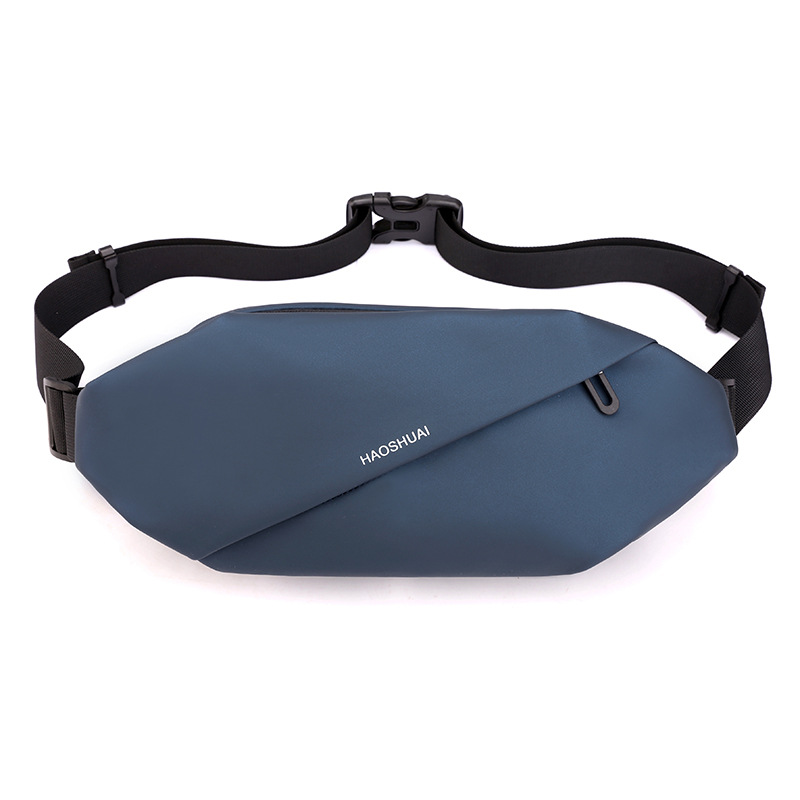
The waist bag has quietly moved from a nostalgia item to a practical, cross-category accessory that shows up in travel, sport, retail promotions, outdoor gear, and fashion assortments. For engineers, sourcing managers, and product teams, that matters because the category is no longer defined by one look or one use case. A fanny pack for a commuter, a travel waist bag for a frequent flyer, and a hiking waist pack for an outdoor customer all solve the same core problem in different ways: keep essentials close, secure, and accessible without committing to a full backpack or shoulder bag.
That simple function creates a surprisingly wide design space. Buyers need to think about capacity, wear comfort, closure systems, material behavior, and durability under real use. The wrong choice can lead to return rates, complaints about fit, or a product that looks good on a shelf but fails after a few weeks of daily wear. The right choice, by contrast, can sit comfortably in a line for years because it serves several segments at once.
What Buyers Are Really Comparing
Most sourcing decisions in this category are not about “a waist bag” in the abstract. They are about which version fits the customer’s daily routine. A sport waist bag must stay stable during movement. A running belt bag usually needs a slimmer profile and lower bounce. A waterproof waist bag may be judged less by style and more by zipper performance, seam construction, and how reliably it protects a phone or documents.
That is why the product conversation should start with use scenario, not color or trim. If the intended customer is a traveler, organization and security matter. If the customer is a commuter, quick access and comfort matter. If the customer is buying for outdoor use, weather resistance and abrasion resistance become more important than decorative details. A leather waist bag may suit a fashion assortment, but it is not automatically the best answer for high-moisture or heavy-use conditions.
Common Material Paths and Their Tradeoffs
Nylon and synthetic builds
A nylon fanny pack is often the practical baseline for everyday and active use. Nylon is lightweight, relatively tough, and flexible enough for compact structures. It can be paired with coated linings, mesh pockets, reinforced webbing, and molded hardware without becoming overly heavy. That said, not all synthetic fabrics behave the same. Denier, weave, coating, and stitching quality all influence how the finished waist bag holds up after repeated loading and unloading.
Leather and fashion-led designs
A leather waist bag tends to trade ultralight convenience for a more premium appearance and a different market position. Buyers should be careful here: appearance can hide weakness in structure if the internal support, zipper quality, or strap attachment points are underbuilt. For a fashion line, that may be acceptable. For travel or outdoor wear, it often is not.
Water-resistant and specialty builds
For a waterproof waist bag, the construction details deserve more scrutiny than the marketing claims. Water resistance is usually affected by the fabric finish, zipper type, seam sealing, and the way stress points are stitched or bonded. In practice, buyers should ask how the bag is intended to perform in rain, splash, or short exposure, rather than assuming “waterproof” means submersible protection. That distinction is easy to miss, and it causes problems later.
Selection Criteria That Actually Influence Performance
Capacity is obvious, but not always handled well. A waist pouch that is too small gets overstuffed and loses shape. One that is too large can sag and become awkward when worn around the waist or across the body. Strap adjustability also matters more than many product sheets admit. A well-designed buckle and webbing system can make one model work across more body types and wearing styles.
Closure choice is another practical filter. Zippers provide security and familiarity, but they must glide cleanly and withstand repeated use. Pockets and internal dividers improve organization, though every added compartment changes sewing complexity and cost. For outdoor or movement-heavy use, a hiking waist pack benefits from stable weight distribution and a profile that does not swing.
Comfort is often underestimated. Edge binding, back panel texture, strap width, and the position of the buckle all affect how a bag feels after an hour, not just how it looks on day one. Engineers know this already, but it still gets lost in merchandising reviews.
Where Projects Go Wrong
One common mistake is treating all waist bags as interchangeable. A travel waist bag and a running belt bag may share a silhouette, yet they serve very different loading patterns and movement profiles. Another mistake is over-specifying features that the target customer does not value. Extra pockets, heavy hardware, and decorative panels can make the product more expensive without making it more usable.
Another practical warning: strap length ranges should be checked against the actual intended market. This sounds basic, but it is a frequent source of complaints when products are sold across regions or channels with different fit expectations. Also, if the design relies on printed graphics or fashion finishes, confirm early how those surfaces will age under friction and daily handling.
Buyer Advice for Sourcing and Specification
When evaluating a waist bag program, ask suppliers for construction details, not just photos. Look at fabric composition, stitch density where relevant, zipper type, buckle design, reinforcement at strap anchors, and whether the lining supports the intended use. If the item is positioned as outdoor or active, request samples that can be worn, loaded, and checked after a short cycle of real use. Static inspection alone will not tell you enough.
For larger programs, it helps to separate fashion-led models from performance-led models before quoting. That makes it easier to compare like with like and avoids a common procurement trap: choosing the cheapest sample, then discovering it does not match the actual use case.
Practical Takeaway
The best waist bag is not the one with the most features. It is the one that matches how the customer moves, carries, and accesses their essentials. If you define the use scenario first, the rest of the decision becomes much clearer: material, closure, strap system, weather resistance, and styling all fall into place with less guesswork.
For teams planning a new assortment or reviewing supplier options, start with the intended user, then narrow the construction requirements from there. That approach saves time in development and usually produces a better-selling product.
FAQ
Is a fanny pack the same as a waist bag?
In practice, the terms are often used interchangeably. Some markets prefer one term over the other, but the product category overlaps heavily.
What is best for active use?
A sport waist bag or running belt bag is usually designed to stay stable during movement. Buyers should check fit, bounce control, and strap security.
What is best for travel?
A travel waist bag usually needs easy access, organized pockets, and enough security to hold documents, cards, or a phone without feeling bulky.
Does waterproof always mean fully sealed?
Not necessarily. Ask whether the bag is water-resistant, splash-resistant, or designed for stronger exposure. The wording matters.