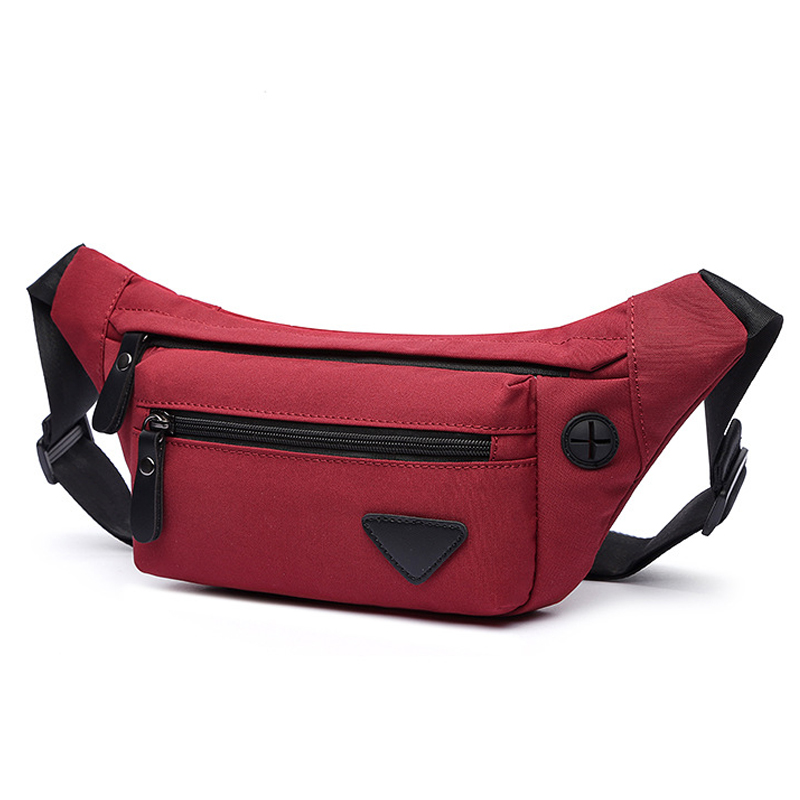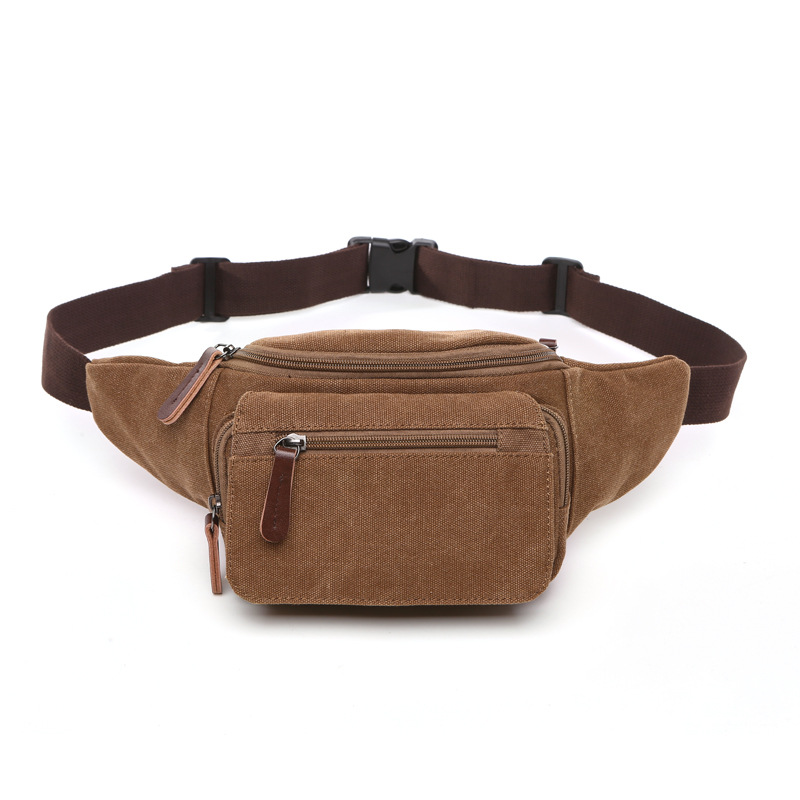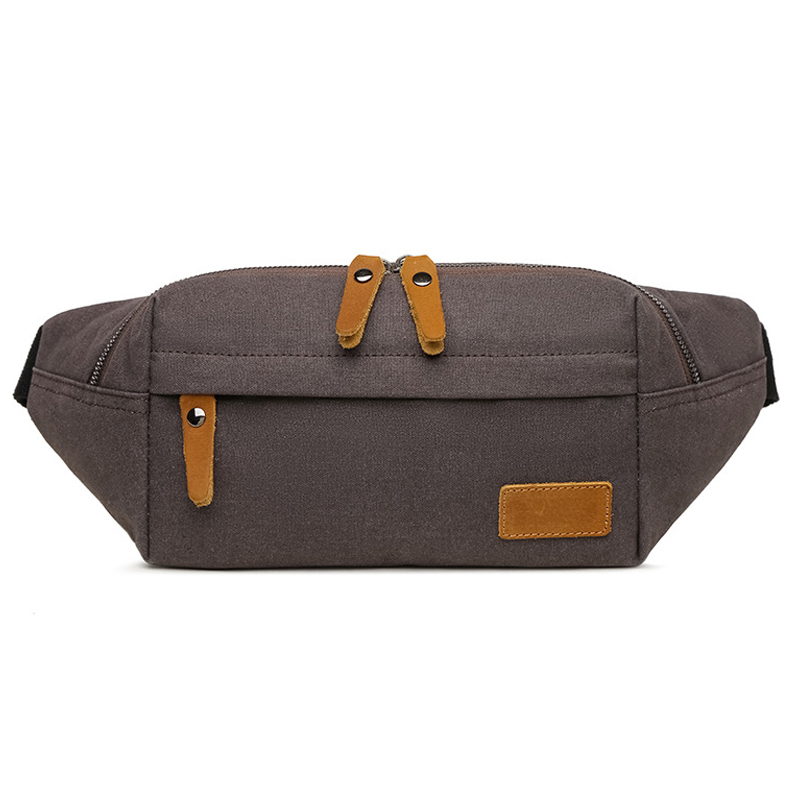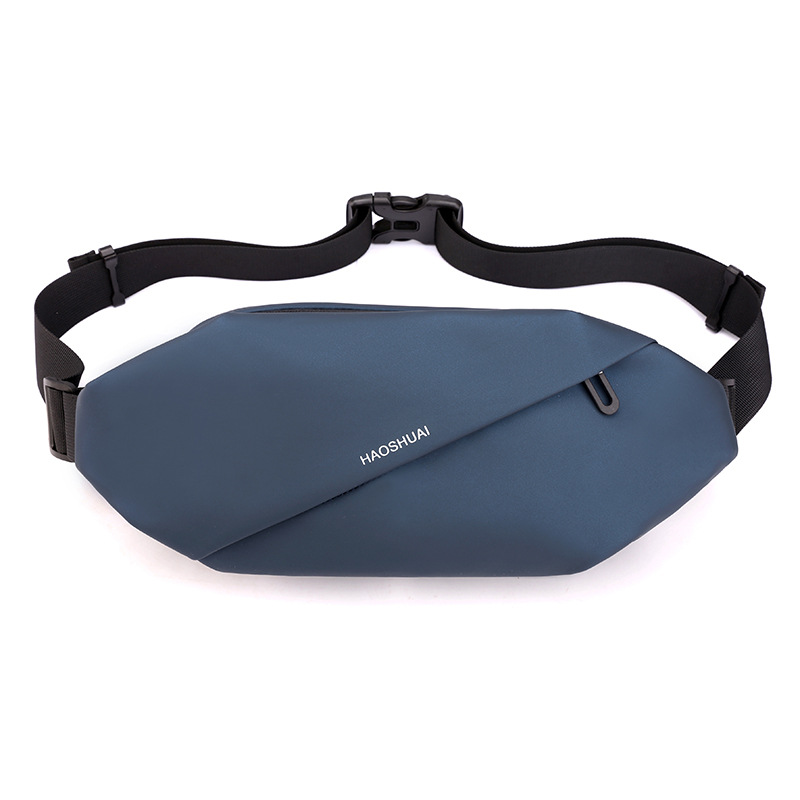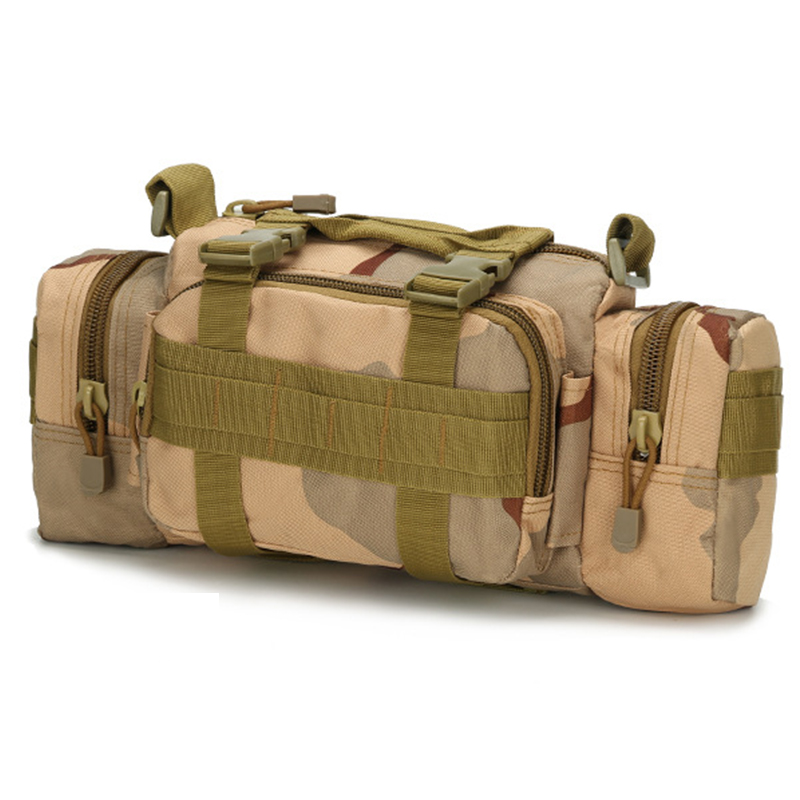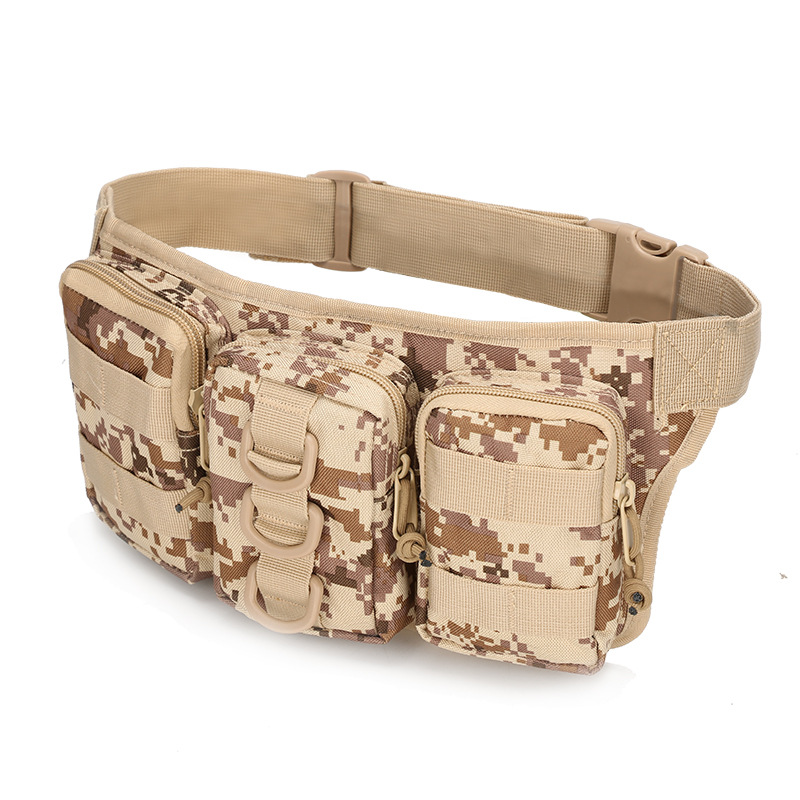
Waist Bag Buying Guide: What Buyers Should Look for Before Placing an Order
A waist bag looks simple at first glance, but sourcing one for retail, promotions, or private label work quickly turns into a series of practical decisions. Capacity, materials, closure style, stitching quality, and wearing comfort all affect how the bag performs once it reaches a customer. That matters because this is not just an accessory category anymore. Buyers now use the waist bag in sport, travel, commuting, outdoor leisure, and fashion-led collections, which means the right spec depends heavily on the end use.
For sourcing teams and product developers, the real question is not whether the category sells. It is which version fits the target market, what materials hold up best, and where quality issues usually appear. A cheap-looking zipper pull or weak strap adjuster can make an otherwise decent product feel disposable. In a crowded market, that is often the difference between repeat sales and returns.
Why the Waist Bag Category Keeps Expanding
The old “fanny pack” image has not disappeared entirely, but the product has clearly moved beyond that. Today’s waist bag can be worn around the waist, slung across the chest, or carried as a compact everyday pouch. That flexibility is part of the appeal. Buyers like products that can serve more than one use case without needing a full redesign.
Retailers also value the category because it works across price tiers. A basic sports waist bag can be made with lightweight synthetic fabric and simple compartments. A more premium leather fanny pack leans toward fashion and urban wear. In between, there are travel-oriented models, compact running styles, and waterproof versions designed for active or outdoor use.
Common Waist Bag Types and Where They Fit
Sports and Running Styles
A sports waist bag or running waist pack is usually designed to sit close to the body and stay stable during movement. Buyers should look for slim profiles, breathable backing, and secure closure systems. If the bag carries keys, cards, a phone, and maybe a gel or two, the internal layout should be simple and easy to access without slowing the user down.
Travel-Oriented Designs
A travel waist bag often needs more than just one pocket. Travelers tend to want quick access to passports, tickets, transit cards, and small valuables. Zippers should feel smooth but not flimsy, and the strap adjustment should hold position rather than creep loose over time. Security-minded buyers often prefer designs with hidden or rear-facing compartments.
Crossbody and Everyday Styles
The crossbody waist bag is popular because it bridges function and style. It can be merchandised as a casual daily carry item, not just a utility accessory. For this segment, the look matters almost as much as the build. Surface texture, logo placement, metal hardware, and color consistency all become part of the buying decision.
Waterproof and Outdoor Versions
A waterproof waist bag is useful for festivals, boating, light rain, or outdoor events. Here, buyers should read claims carefully. “Water-resistant” and “waterproof” are not the same thing, and that distinction is worth clarifying with suppliers. Seam construction, zipper type, and fabric coating all influence actual performance.
Materials, Hardware, and the Details That Reveal Quality
The material choice sets the tone for the product. Nylon and polyester are common for active and travel bags because they are lightweight and cost-effective. Coated fabrics can improve water resistance, though the coating should not make the bag feel stiff or plasticky unless that is part of the design brief. Leather versions are usually positioned differently, with a more fashion-led customer in mind.
Hardware deserves attention too. Buckles should lock securely but release without excessive force. Zippers should track cleanly and not snag at the corners. Stitching around load-bearing points, especially strap anchors and pocket openings, is a frequent failure area. It is a small detail that can become a large complaint once the product is in circulation.
How to Choose the Right Waist Bag for Your Market
The best choice depends on how the bag will be used and priced.
If the target is fitness or running, prioritize stability, low bulk, and sweat-friendly construction. If the product is aimed at travelers, focus on compartment layout, security, and ease of access. For fashion retail, appearance and finish often outweigh extra technical features. For promotions or event merchandise, cost control and logo placement may matter most.
Buyers should also think about user behavior. A waist bag that looks spacious in a sample can feel awkward once loaded. Internal volume matters, but so does usable volume. A rigid front panel, for example, can protect contents but reduce flexibility. That tradeoff is fine if the target audience expects structure, but less ideal for users who want a soft, packable accessory.
Common Buying Mistakes
One common mistake is over-specifying features that do not add value for the target market. Another is underestimating strap comfort. A bag can look good on a table and still be annoying to wear after twenty minutes. It happens more often than people admit.
A second mistake is choosing style before function. That approach can work in a pure fashion program, but it is risky in mixed-use lines. A customer who buys a travel waist bag or running waist pack is usually forgiving about styling changes, but not about poor access or poor wearability.
Practical Advice for Sourcing Teams
Before committing to a bulk order, request samples in the exact color and material combination you plan to sell. Check zipper action, strap adjustment, pocket depth, and seam finish under normal handling, not just on a showroom table. If you are sourcing a waterproof waist bag, ask how the supplier defines that term in construction terms. If you are sourcing a leather fanny pack, confirm whether the leather is genuine, coated, or split leather, because the end-market expectation will differ.
It also helps to compare one style against another instead of reviewing samples in isolation. A crossbody waist bag may be more versatile than a traditional fanny pack for urban retail. A sports waist bag may outperform a larger travel design if your customers value light carry and movement freedom.
FAQ
Is a waist bag still relevant in today’s market?
Yes. The category has broadened well beyond its original image and now covers sport, travel, outdoor, and fashion uses.
What is the main difference between a fanny pack and a crossbody waist bag?
The difference is mostly in styling and how it is worn. The function overlaps, but the crossbody version is often marketed as more contemporary.
What should I inspect first in a sample?
Start with the strap, zippers, stitching, and pocket usability. Those four areas usually tell you most of what you need to know.
Next Step for Buyers
If you are sourcing a waist bag line, start by defining the use case before locking the material or color palette. That simple step prevents a lot of mismatched expectations later. Once the target customer is clear, the rest of the spec becomes easier to narrow: size, layout, hardware, and whether the product should lean sporty, travel-ready, or fashion-forward.