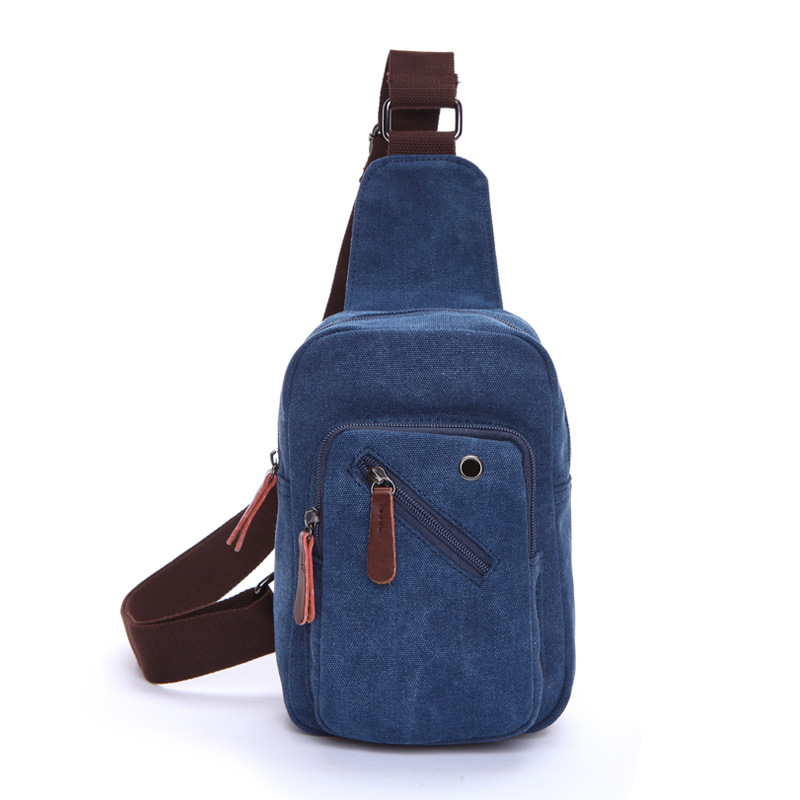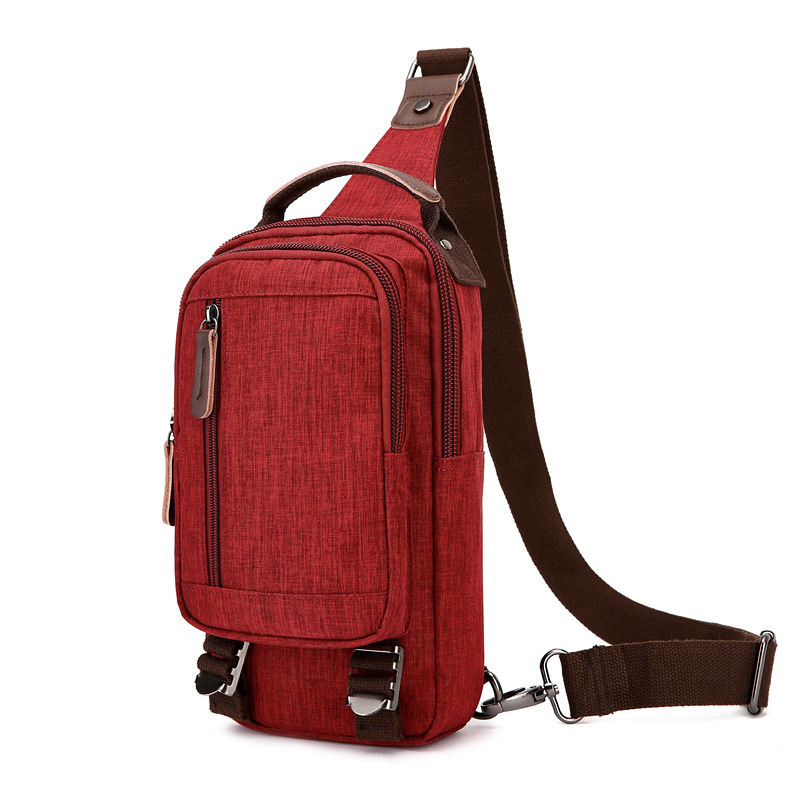
Why the crossbody bag still matters to buyers, brands, and everyday users
A crossbody bag is one of those products that looks simple until you start specifying it for a real market. Consumers want hands-free convenience; retailers want a style that sells across seasons; product teams want a bag that balances comfort, capacity, and appearance without drifting into a catch-all design that pleases nobody. That is why the crossbody bag keeps showing up in assortments year after year. It sits in a useful middle ground: more secure than an open tote, lighter than a structured handbag, and easier to carry than a backpack when the use case is urban, travel-oriented, or just everyday commuting.
For sourcing managers and product developers, the decision is rarely “should we make one?” The real question is what kind of crossbody bag, for whom, and with what details. Strap length, pocket layout, body shape, closure type, and material choice all change how the bag performs in use. A style that reads as polished in a catalog may be frustrating on the street if the strap slips or the compartment opening is too narrow. Small choices matter here.
Quick takeaways before you compare styles
If the goal is a practical everyday carry, the best designs usually keep the silhouette clean and the hardware restrained. If the buyer expects a fashion-forward piece, proportion and texture matter more than absolute storage volume. A customer looking for a torebka crossbody in the casual segment often wants easy access and a lightweight build. By contrast, a more formal torebka na ramię crossbody may need sharper lines, better structure, and a finish that looks credible with office wear.
The safest way to evaluate the category is to start with use case, not trend. A bag that looks attractive in a flat lay can fail once it is loaded with a phone, wallet, keys, and a few daily extras. That is where bag dimensions and strap engineering become more important than marketing language.
What separates a good crossbody from a forgettable one
Size and proportion
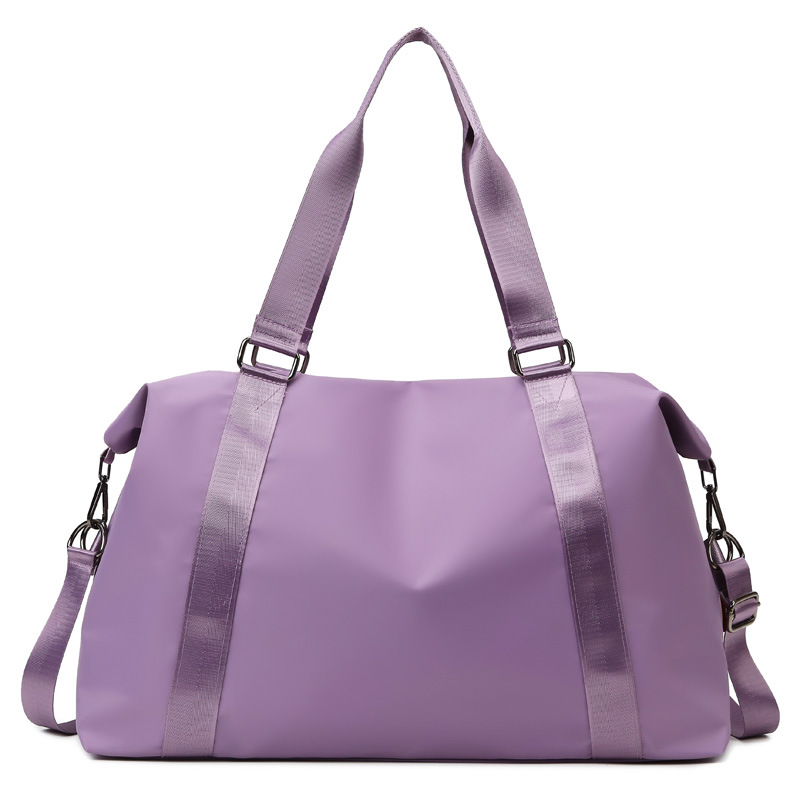
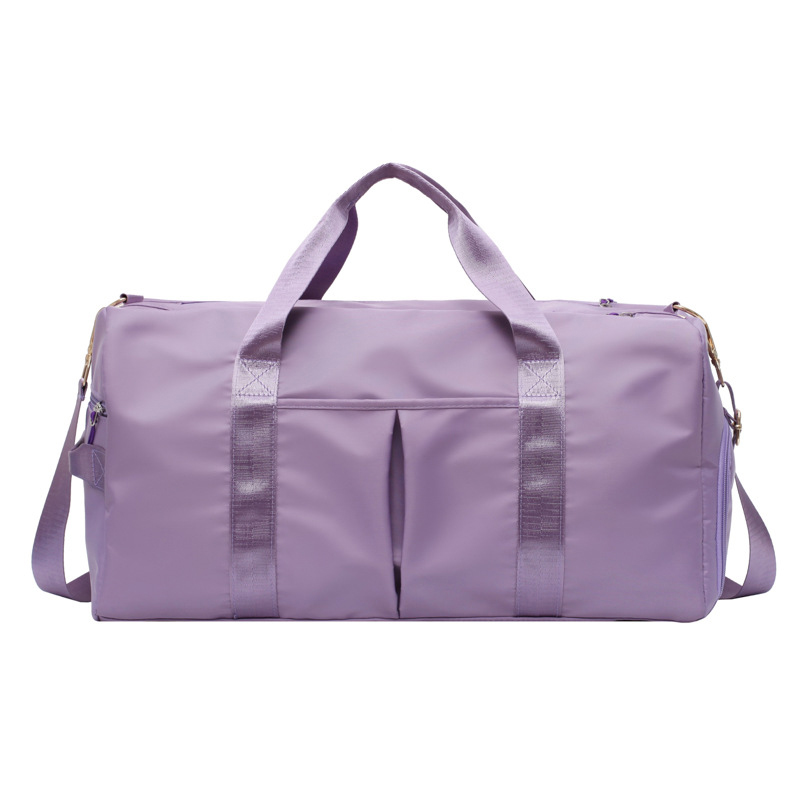
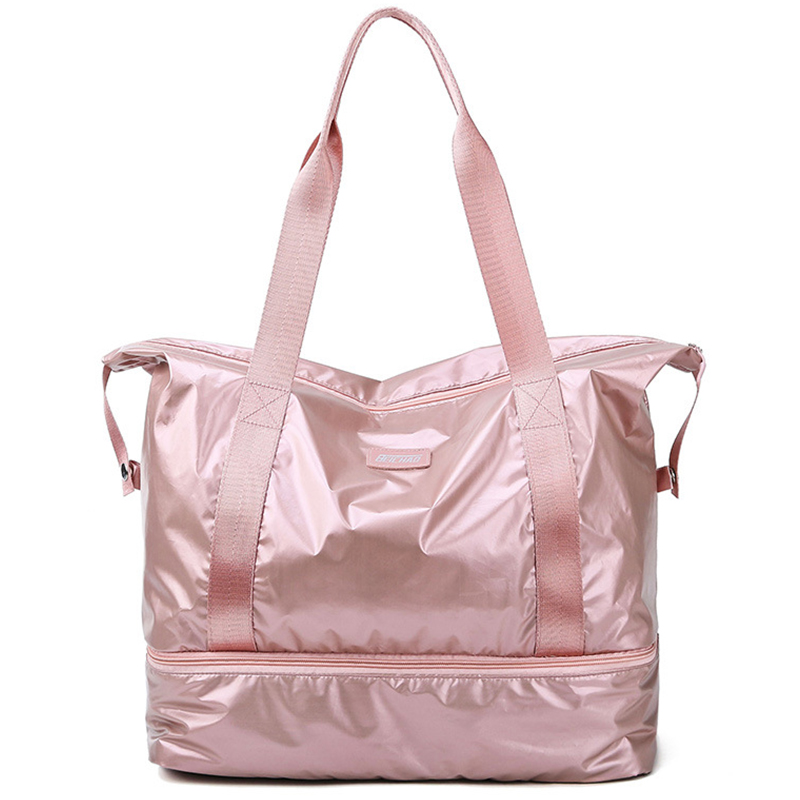
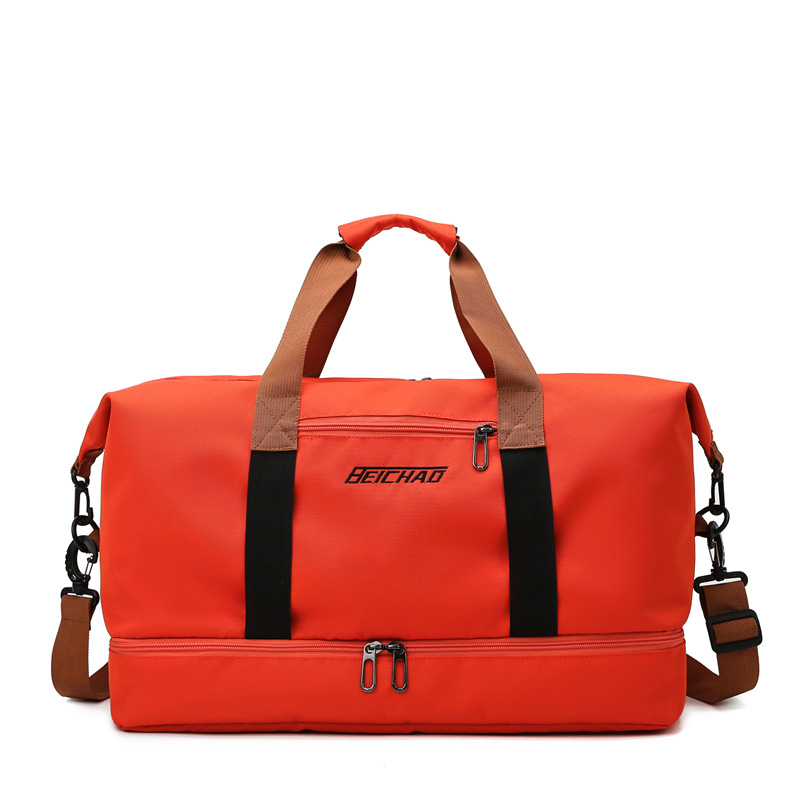
The term crossbody covers a wide range. A mała torebka crossbody can work for essentials only: phone, card case, and keys. It has a clear place in evening wear and lightweight travel. A duża torebka crossbody, on the other hand, appeals to users who want the same hands-free format but need room for sunglasses, cosmetics, a compact notebook, or a small water bottle. The risk with oversized versions is bulk; if the body becomes too deep or too soft, the bag starts to swing awkwardly and loses the very comfort customers were buying it for.
Strap comfort
The strap is not a secondary detail. It determines whether the bag feels useful or annoying after the first hour. A well-made torybka listonoszka crossbody-style silhouette, for example, often depends on a strap that is wide enough to spread load but not so thick that it dominates the design. Adjustable hardware is worth paying attention to, especially if the target market includes different body types or layers of clothing across seasons.
Access and organization
A crossbody bag should allow quick access without forcing the user to remove it constantly. This is where pocket placement, zipper direction, and opening width make a difference. Internal organization should be functional but not overbuilt. Too many compartments can be as frustrating as too few, especially in compact styles.
Material and construction choices that affect performance
Materials shape the feel of the product, but they also affect durability, weight, and perceived value. Softer materials may drape better and feel more relaxed, while structured materials hold shape and present a cleaner profile on shelf. Hardware should be chosen with the same discipline. Cheap-looking buckles or mismatched zippers can make even a well-proportioned bag feel underdeveloped.
Stitching, edge finishing, lining quality, and reinforcement at stress points are worth checking early in sampling. Crossbody bags are carried close to the body and used repeatedly throughout the day, so strap attachments and corners tend to reveal weak construction quickly. That is a practical warning worth remembering: shoppers rarely forgive failures in the spots they touch most.
How buyers should choose the right format
The right specification depends on the customer profile.
If the audience is fashion-led, prioritize shape, color palette, and visual finish. If the audience is utility-led, focus on capacity, comfort, and access. If the audience is travel or commuter-based, add security features and make sure the strap adjustment range is generous enough to wear over a coat.
Retailers sometimes make the mistake of grouping every crossbody style together. In reality, a compact city bag, a work-friendly medium format, and a larger weekend version are not interchangeable. They may share a family resemblance, but they sell for different reasons.
Common mistakes that lead to poor sell-through
One frequent error is over-designing the product. Too many pockets, trims, or decorative layers can push the bag away from its core promise: easy wear. Another is underestimating hardware weight. Heavy components can make a small bag feel clumsy. A third mistake is choosing a size that photographs well but carries badly. Buyers notice that kind of mismatch quickly, even if they do not say it in those words.
There is also a merchandising issue. If the assortment includes only one size, the brand may miss customers who need either a more compact shape or a roomier option. A balanced line usually gives the market a choice between small and large formats without muddying the identity of the collection.
FAQ: what product teams usually ask
Is a crossbody bag still a strong category?
Yes, because it aligns with everyday mobility. People still want a compact bag that leaves both hands free.
What matters more: style or function?
For sell-through, both matter. But if the strap, opening, or weight distribution is poor, style alone will not save it.
Should the line include different sizes?
Usually yes. A small and a larger option can serve different users without requiring a complete design overhaul.
What to do next
If you are evaluating a crossbody bag for retail or private label development, start with the use case and work backward into construction details. Decide whether the priority is compact portability, everyday utility, or a more polished fashion profile. Then test the strap, inspect the load points, and compare how the silhouette behaves when filled. That process sounds basic, but it is where many categories are won or lost.
For sourcing teams, the smartest next step is usually a short, focused sample review: one compact style, one mid-size style, and one larger variant. That gives you a clean read on what your market is likely to carry, not just what it is willing to like on first glance.