Waist Bag Buying Guide: what matters before you place a bulk order
A waist bag looks simple on the surface, but the sourcing decision is rarely simple once you start comparing strap systems, closures, fabrics, and end-use requirements. For brands, retailers, and private-label buyers, the wrong choice can mean returns, weak reviews, or a product that looks fine on a table but fails in daily use. The right waist bag, by contrast, is one of those compact accessories that sells on utility first and style second. That matters because buyers usually want a clear answer to a practical question: which design works for the intended use without overpaying for features they do not need?
The short version is that the best choice depends on how the bag will be worn, how much it must carry, and what environment it needs to survive. A travel fanny pack is not judged the same way as a festival fanny pack, and a sports waist pack has different demands again. If you are comparing styles for a retail range or a promotional program, you need to look past appearance and focus on construction.
Start with the use case, not the trend
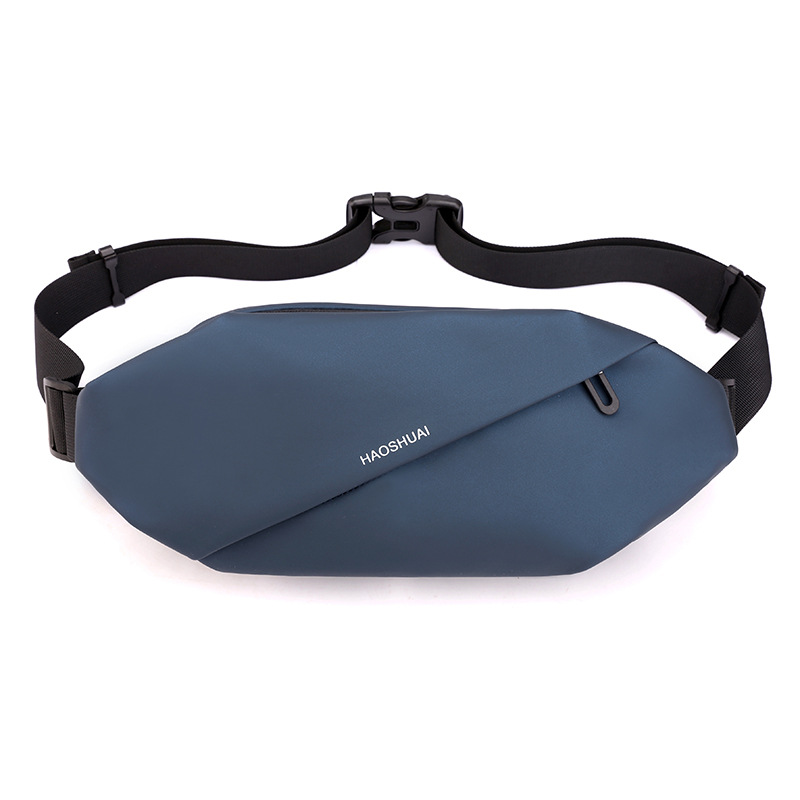
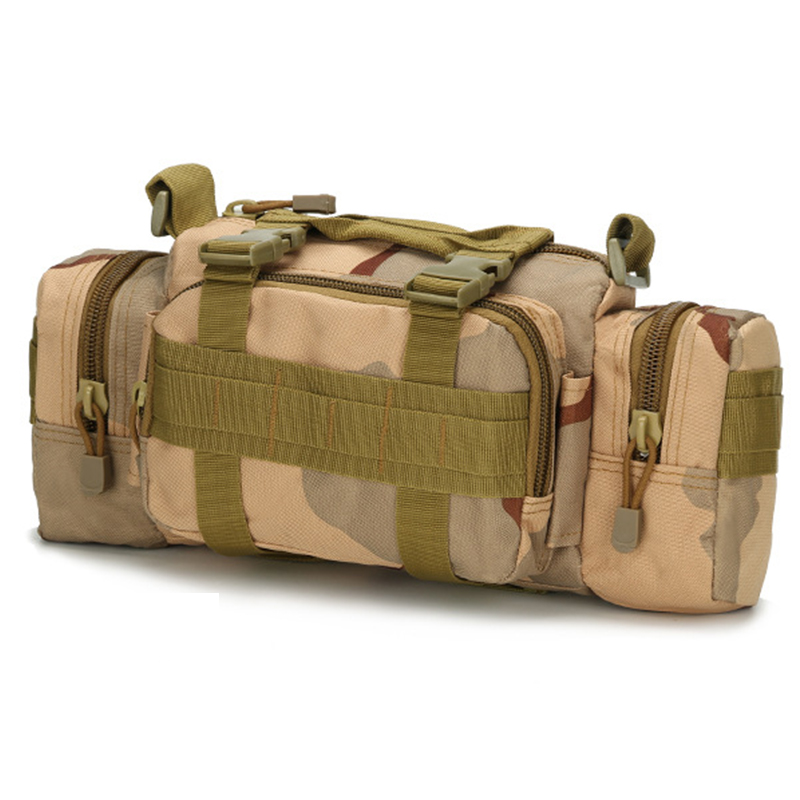
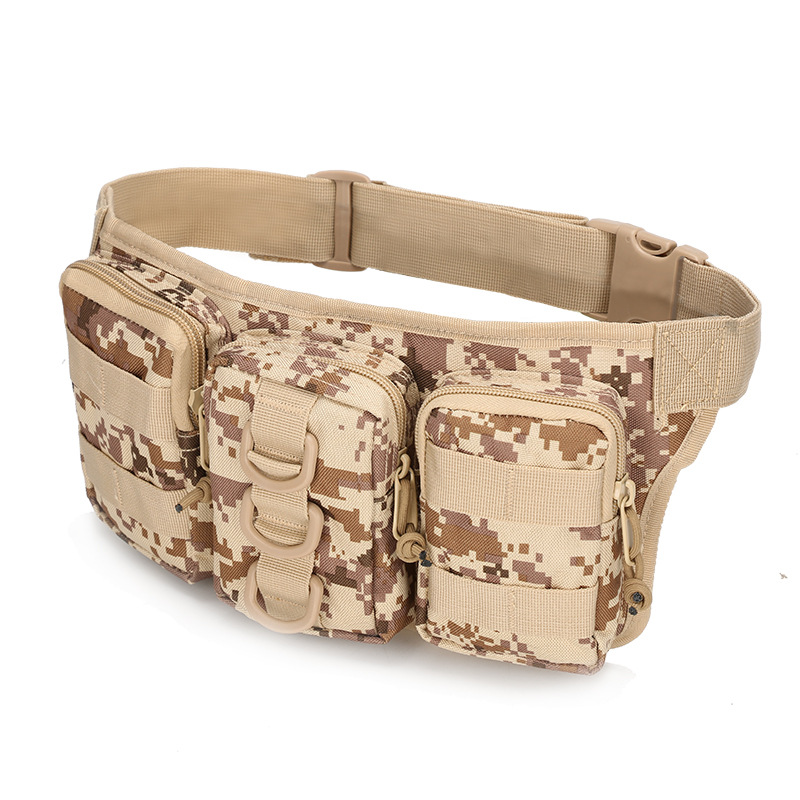
The category has expanded well beyond the old “hands-free pouch” image. Today, a waist bag may be worn at the waist, slung crossbody, or carried as part of an active lifestyle set. That flexibility is part of the appeal, but it also complicates sourcing. A crossbody waist bag usually needs a longer, more adjustable strap and a profile that sits flat against the body. A tactical waist bag may prioritize sturdier webbing, more secure zippers, and a modular look. A water resistant waist bag is often aimed at commuters, travelers, and outdoor users who want added protection against rain or splashes, though “water resistant” is not the same as waterproof and should be treated carefully in product claims.
For buyers, the first decision is simple: is this a fashion accessory, an activity-specific carry item, or a utility product? If the answer is mixed, you will need to balance comfort, durability, and price more carefully than the basic catalog description suggests.
Key construction details worth checking
Fabric and hand-feel
Common outer materials include polyester, nylon, and coated fabrics. Polyester is often cost-efficient and easy to print or brand, while nylon tends to be valued for toughness and a more technical look. If the product needs to read as outdoor-ready, the surface finish matters as much as the fiber content.
Straps and adjustability
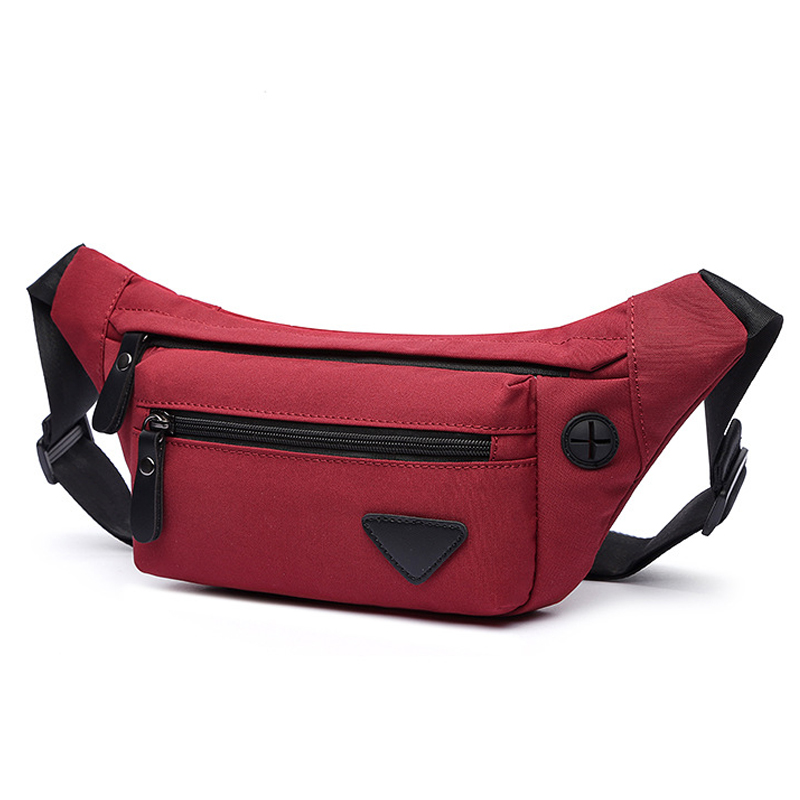
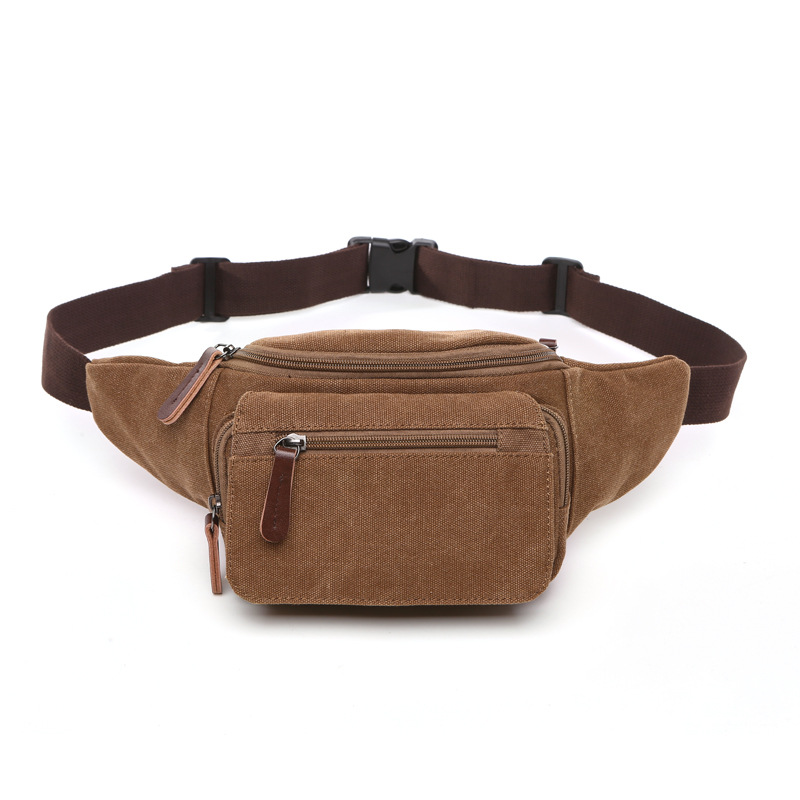
An adjustable waist bag should be able to fit a wide user range without slipping. That sounds obvious, but in practice many returns come from straps that loosen under load or hardware that feels too lightweight. For a retail range, it is smart to check buckle quality, webbing width, and how the strap sits when the bag is worn crossbody.
Closures and pocket layout
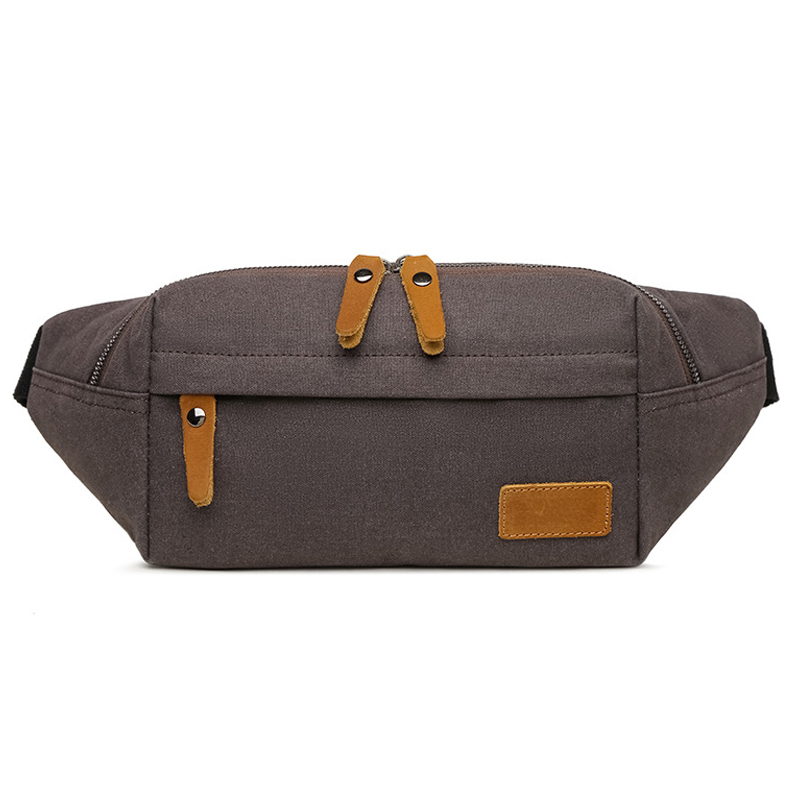
Zippers need to open smoothly and stay aligned. Pockets should have a reason to exist, not just add visual busyness. A good waist bag usually balances quick-access storage with one secured compartment for essentials such as phone, keys, wallet, or transit items.
How different buyer groups usually compare options
For fashion-led programs, silhouette and color often drive the order decision. Buyers want a bag that pairs easily with casual apparel and does not look too bulky. For travel programs, a travel fanny pack needs better organization and enough room for documents, a phone, and small personal items without becoming awkward at the waist. For outdoor or fitness channels, a sports waist pack should sit close to the body, resist bounce, and stay comfortable during movement. For event or lifestyle retail, a festival fanny pack may lean into bold design, but the hardware still has to function after a long day of use.
That is the small trap in this category: a bag can be visually right and commercially wrong if the user experience is off.
Common mistakes buyers make
The most common mistake is assuming all waist bags are interchangeable. They are not. Another is over-specifying features that the target customer will not pay for. A heavily built tactical waist bag may be great for one channel and out of place in another. On the other hand, a lightweight fashion version may fail badly if it is sold into an active-use segment.
A second mistake is underestimating sizing. If the usable volume is too small, the bag becomes decorative. If it is too large, it stops feeling like a waist bag and starts competing with a sling or small daypack.
Practical buyer checklist
Before placing an order, ask for samples and check four things in hand: strap comfort, zipper action, seam finishing, and how the bag sits when loaded. Then think about labeling, care instructions, and product claims. If you intend to market a water resistant waist bag, make sure your language stays within what the materials and construction can reasonably support.
If the line includes a crossbody waist bag version, test it that way, not only around the waist. A bag that looks balanced in one wear mode may swing oddly in the other. It is a small point, but it affects reviews more than many teams expect.
What the best suppliers should help you clarify
A capable manufacturer should be able to discuss material options, strap construction, pocket layout, closure choices, and branding methods in plain terms. They should also help you distinguish between a sports waist pack, a travel fanny pack, and a more general lifestyle style. If a supplier treats every request as identical, that is a warning sign. Product categories may overlap, but the use case does not.
FAQ
Is a waist bag still a practical product?
Yes. It remains popular because it frees the hands, keeps essentials close, and fits both casual and active use.
What should I prioritize first?
Start with the intended user and wearing style. Design details should follow that decision, not replace it.
Should I choose a fashion or utility version?
That depends on your channel. Fashion sells on appearance; utility sells on function. Many failed launches try to do both without a clear balance.
Next step for sourcing teams
If you are building a waist bag range, narrow the brief before requesting quotes. Define the use case, preferred wear style, material direction, and must-have features. That will save time, reduce sample churn, and make it easier to compare suppliers on something more useful than appearance alone.